Pentagon readies troops amid Minnesota unrest
Army units on standby as immigration protests escalate
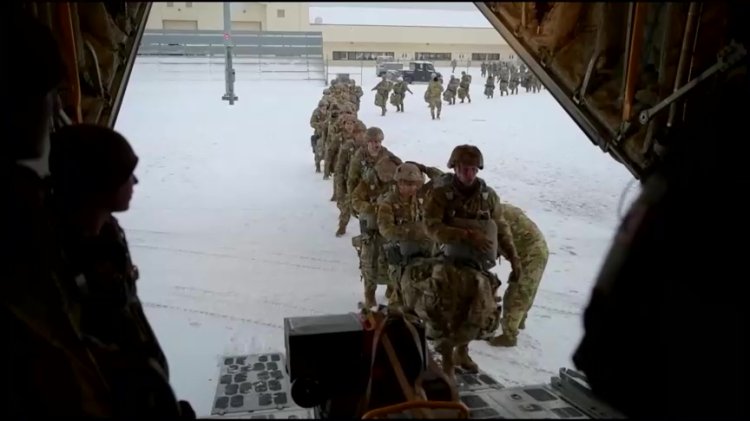
The Pentagon has placed roughly 1,500 active‑duty Army soldiers on prepare‑to‑deploy orders for a potential mission to Minnesota amid escalating unrest tied to a federal immigration enforcement operation, officials said. The units, drawn from infantry battalions of the 11th Airborne Division based in Alaska and trained for cold‑weather operations, were ordered to readiness in case authorities determine violence around protests and enforcement actions rises to a level that requires federal military assistance. Officials stressed the standby order did not mean troops would definitely be sent.
The deployment preparation followed public warnings from the president about invoking the Insurrection Act to quell demonstrations targeting Immigration and Customs Enforcement (ICE) agents conducting a deportation drive. The Insurrection Act authorizes the president, under narrow conditions, to employ active‑duty forces for domestic law‑enforcement tasks when state and local authorities cannot maintain order; separate legal authorities also permit the deployment of troops to protect federal property without invoking that statute. The Pentagon has additional options, including newly formed National Guard rapid‑response units, that could be used for civil‑disturbance contingencies.
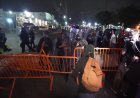
The heightened federal posture comes as nearly 3,000 agents from ICE and Border Patrol have been sent to Minneapolis–St. Paul as part of the immigration operation. Tensions intensified after an ICE agent shot and killed a U.S. citizen, sparking protests and clashes that local leaders say reflect deep anger over enforcement tactics. Demonstrations have included attempts to prevent ICE activities, prompting the president’s admonitions to state and local officials to restore order or face federal intervention.
Minnesota authorities and municipal leaders have pushed back strongly against deploying active‑duty troops, arguing that sending the military into cities risks constitutional problems, escalates confrontation, and could further inflame already volatile scenes. State officials have instead mobilized the Minnesota National Guard and urged dialogue and de‑escalation. Local officials and civil‑rights advocates have criticized the federal response as overreach and warned that militarizing the response to protests could undermine public trust and civil liberties.
The Pentagon and White House did not immediately respond to requests for comment about the prepare‑to‑deploy order. Military and civilian planners continue to monitor conditions on the ground while officials weigh legal, operational and political implications should higher authorities order a federal military deployment.