

Peru extends voting after chaos
Poll delays disrupt election as run-off looms
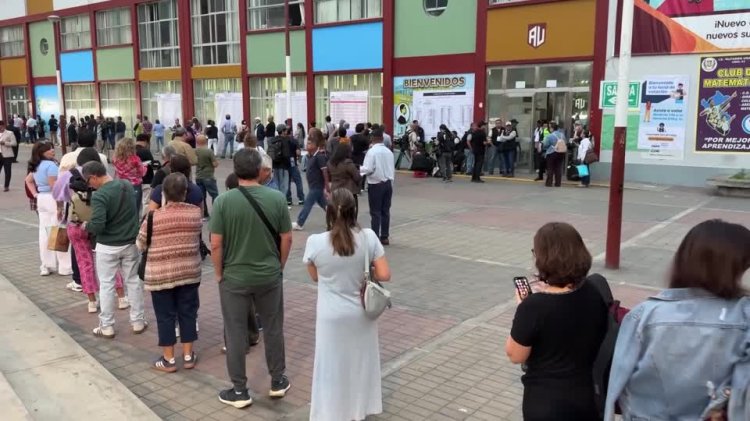
Peru extended voting hours and reopened some polling stations after widespread logistical failures left thousands unable to cast ballots in a chaotic general election that will shape the country’s leadership amid deep political turmoil.
Electoral authorities blamed a contractor for failing to deliver ballots, boxes and other materials on time, prompting the National Jury of Elections to allow polling stations to open until 14:00 and keep voting running until 18:00 local time in affected areas. The National Office of Electoral Processes said some 52,000–63,300 voters—mainly in Lima and abroad in cities such as Orlando and Paterson—were prevented from voting on the prescribed day and would be able to vote under the extension; ONPE apologized and announced legal action against the contractor. Civil society monitors reported roughly a hundred incident alerts including early openings and apparently full ballot boxes, while the electoral commission described the vote as peaceful overall.
With some 27 million registered voters, the crowded field of 35 presidential hopefuls saw right‑wing candidate Keiko Fujimori leading early exit polls at about 16.6%, followed by left‑wing Roberto Sánchez and centre‑left Ricardo Belmont; no candidate approached the 50% threshold needed to win outright, making a June run‑off highly likely. Fujimori, a four‑time presidential contender and polarising figure due to her late father’s legacy, cast herself as a guarantor of order and economic stability, pledging a tough first 100 days on crime and migration. Far‑right Rafael López Aliaga also polled strongly, and there was a statistical tie for the second run‑off spot.
The vote comes after a recent failed coup attempt and amid soaring public frustration with political instability: Peru has had eight presidents since 2018 amid impeachments and corruption scandals. Security and rising violent crime were dominant voter concerns, and analysts note that the exclusion or weakening of established opposition groups—plus recent reforms creating a new bicameral Congress and extending political timelines—have heightened stakes over democratic openness. International observers from the EU, AU and ECOWAS are monitoring the count; provisional results are expected after extended counting, with attention focused on turnout levels, the integrity of the process and the likely second‑round matchups that will determine Peru’s next leader.