Crews battle dangerous chemical tank threat
Los Angeles suburb evacuations remain as blast risk grows
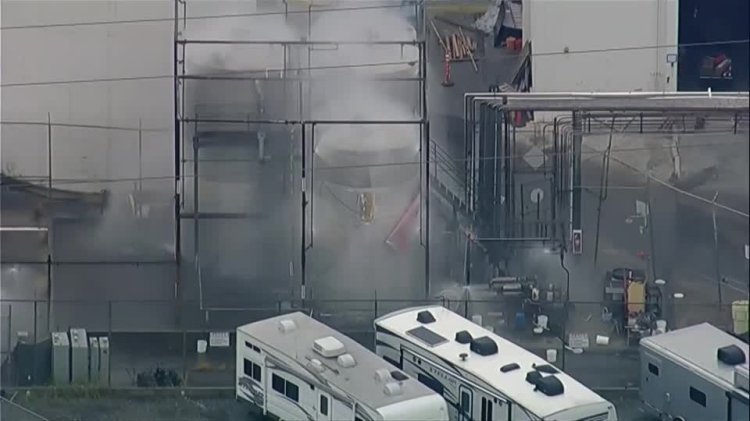
Firefighters and hazardous‑materials teams continued around‑the‑clock efforts to prevent a damaged chemical storage tank in a Los Angeles suburb from rupturing, exploding or releasing toxic fumes. The tank, holding methyl methacrylate — a highly flammable feedstock used in plastics — was reported to contain up to 7,000 gallons; authorities warned that structural compromise or heat‑driven reactions could force a catastrophic spill or blast and imperil adjacent tanks and facilities. Specialized crews deployed cooling systems, water cannons and foam, rotating personnel to limit heat and exposure while external experts assisted operations and forensic investigators began probing the cause.
Large evacuation orders covering tens of thousands of residents remained in force as emergency shelters filled rapidly and some locations reached capacity. Officials urged evacuees and those in smoke‑affected zones to follow instructions, remain indoors where advised, and heed alerts as air‑quality monitors scanned for hazardous plumes. Medical units were placed on standby and transport and utility access near the site were restricted to support response activities and reduce secondary risks.
Incident commanders described a tense, evolving situation in which rising temperatures inside the compromised tank and the proximity of other storage units created an ongoing hazard. Fire crews focused on stabilizing pressure and cooling the container to prevent thermal escalation, while bomb‑disposal‑style precautions and perimeter security reduced the chance of accidental ignition or further structural failure. Investigators are examining whether equipment malfunction, overheating, operational error or chemical reaction triggered the initial event.
Officials emphasized that operations would continue until the tank was fully stabilized and the threat eliminated, warning that any leak or explosion could widen the area of impact and necessitate extended relocations depending on wind and contamination patterns. Authorities appealed for public cooperation with evacuations and for donated resources at shelters, while emergency planners reviewed contingency measures to protect residents and surrounding industrial infrastructure.