

UN nuclear treaty talks end without deal
Deep divisions block consensus at NPT review conference
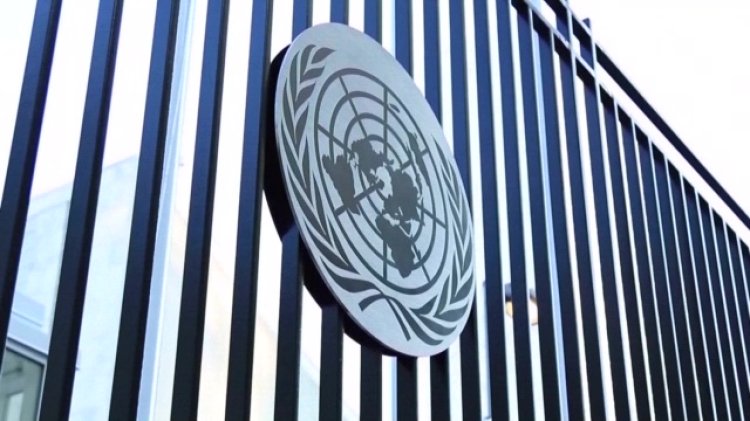
Negotiations at the United Nations to reaffirm commitments under the Treaty on the Non‑Proliferation of Nuclear Weapons (NPT) concluded without consensus for a third consecutive review cycle, leaving the conference unable to adopt a final agreed text. Delegates spent four weeks debating verification measures, enforcement language and timelines for disarmament, but deep divisions between nuclear‑armed and non‑nuclear states over strategic stability, deterrence and the pace of reductions prevented agreement.
A contested draft that would have explicitly stated that Iran must “never” develop nuclear weapons remained bracketed after delegations failed to reconcile differing views; Iran continues to assert its program is peaceful and civilian. Observers said regional tensions — notably over the DPRK and Iran — and competing geopolitical priorities eroded the draft’s grounding in current proliferation risks, complicating efforts to craft language acceptable to a broad coalition of states.
Non‑nuclear states pressed for stronger, time‑bound disarmament commitments, while nuclear powers emphasized modernization and deterrence needs, arguing that security conditions must be addressed before accelerated cuts. Civil society and disarmament advocates expressed disappointment, warning that repeated failures weaken confidence in multilateral arms control and hamper efforts to reduce global nuclear risk.
Although participating countries reiterated formal adherence to NPT principles — preventing proliferation, promoting peaceful nuclear uses and pursuing disarmament negotiations — the absence of a unified outcome leaves no collective roadmap for the next period. The UN said informal consultations will continue ahead of the next review cycle, but analysts cautioned that bridging the gap between national security concerns and collective disarmament goals will remain a formidable diplomatic challenge.