

Plane crash in Kenya kills 11 tourists
Cessna from Diani to Maasai Mara lost contact before impact
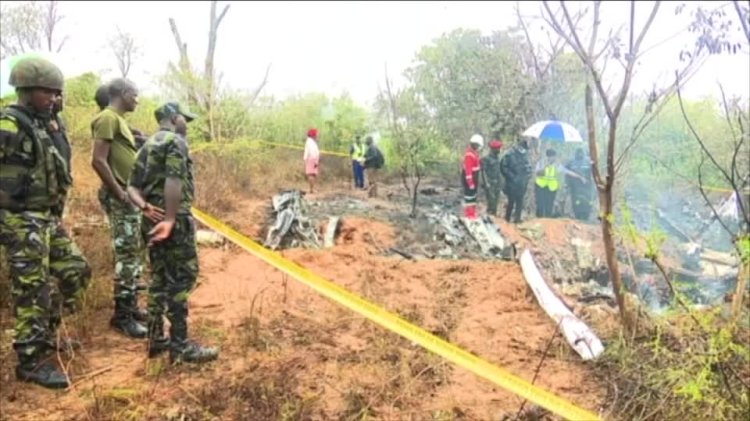
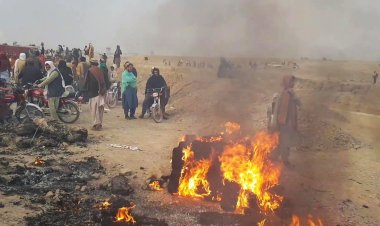
A light aircraft en route from the coastal resort of Diani to the Maasai Mara safari reserve crashed in a hilly, forested area of Kwale County, killing all 11 people aboard. The victims included eight Hungarian and two German tourists and the Kenyan pilot. The aircraft, a Cessna 208B Grand Caravan (registration 5Y-CCA), lost contact with air traffic control shortly after takeoff and was later found destroyed and ablaze. Witnesses reported smoke rising from the wreckage and a loud sound at the time of the accident; clothing and personal items were scattered in nearby trees and on the ground. Early confusion over the number of occupants was resolved after officials revised initial figures and confirmed 11 fatalities.
Teams from the Kenya Civil Aviation Authority and the Aircraft Accident Investigation Department were dispatched to the scene to collect evidence, document the site and recover remains. Kenyan government officials visited the crash site, emphasizing that victim identification and confirmation would follow forensic procedures. The aircraft’s operator, Mombasa Air Safari, said it is fully cooperating with investigators. Authorities have not yet determined the precise cause; investigators said they will analyze flight data, weather records, air traffic communications and maintenance logs as part of a comprehensive inquiry.
Meteorological conditions at the time—heavy rainfall, mist and reduced visibility—have been cited as possible contributing factors, though officials stressed that causation remains unconfirmed pending technical analysis. The remote, rugged terrain where the plane came down complicated recovery and investigative work. International and local officials expressed shock and offered condolences to the bereaved families; reports highlighted particular mourning in Hungary, where several victims belonged to two families that included children.
The crash has drawn attention to safety concerns around light aircraft operations on short charter routes linking coastal resorts and inland safari destinations. Aviation experts noted that small planes operating in variable tropical weather and across remote landscapes face heightened operational risks, underscoring the importance of strict adherence to maintenance protocols, pilot training and weather-assessment procedures. Investigators continue to examine whether mechanical factors, human factors or environmental conditions—or a combination—were responsible. The operator and Kenyan authorities pledged transparent cooperation as forensic teams, technical specialists and aviation safety officials work to establish a definitive account of the events that led to the crash.