

Protests denounce U.S. action in Venezuela
Rallies in Seoul and Karachi condemn Maduro detention and call it illegal

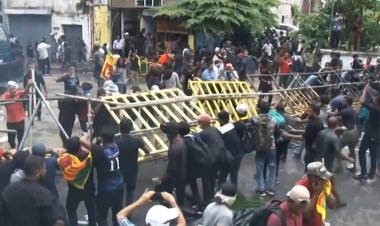
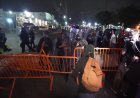
Dozens of protesters in Seoul and Karachi rallied to denounce the United States’ military operation in Venezuela and the capture of Venezuelan President Nicolás Maduro, calling the move a violation of sovereignty and international law. In Seoul, activists gathered near the U.S. Embassy and central government offices, holding banners and chanting slogans accusing the Trump administration of “kidnapping” Maduro and demanding an end to sanctions and coercive policies. Organizers — including civic groups, student organizations and left-leaning activists — argued U.S. measures have worsened humanitarian conditions in Venezuela and urged South Korea’s government to adopt an independent diplomatic stance rather than align automatically with Washington. Police said the Seoul demonstrations remained peaceful, caused limited traffic disruption and ended after protesters issued a public statement; the U.S. embassy did not immediately comment.
In Karachi, demonstrators outside the Press Club — organized by the National Trade Union Federation Pakistan and the Home-Based Women Workers Federation — likewise demanded Maduro’s immediate release and condemned what they described as U.S. interventionism. Both protests came after Maduro and his wife, Cilia Flores, were seized by U.S. forces in Caracas and flown to the United States, where Maduro is being held in a New York detention center pending criminal proceedings on drug-related charges stemming from a 2020 indictment he has long denied.
The detentions have prompted wide international concern over the legality of seizing a foreign head of state. Several countries, along with the United Nations, criticized the action and called for respect for international norms; the U.N. Security Council moved to convene a meeting to discuss the operation. Russia and China, major backers of Venezuela, publicly denounced the U.S. action. Venezuelan government officials in Caracas called the detentions a kidnapping but remained in control of state institutions, while the episode intensified uncertainty about the future of the oil-rich nation.
Analysts said the rallies illustrate how U.S. actions in Latin America reverberate globally, fueling debates over sanctions, sovereignty and the reach of American power. Observers added that while public protests are unlikely to alter formal Seoul–Washington relations, they reflect persistent domestic scrutiny of U.S. foreign policy and broader international unease amid escalating tensions.