

Iran marks Soleimani killing anniversary
Leaders hail the commander as a symbol of resistance and unity
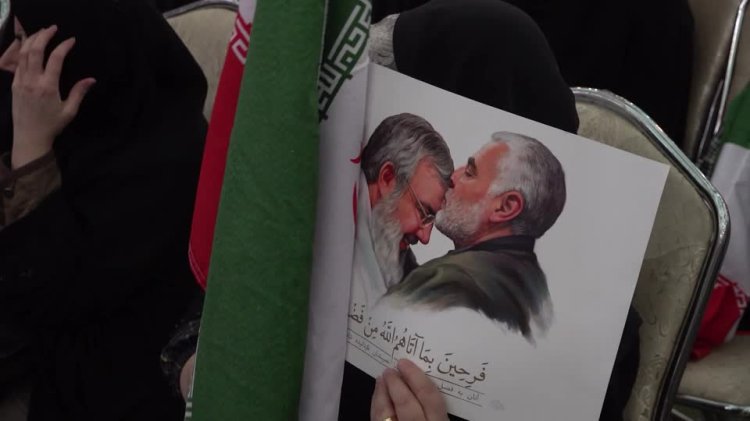
Iran held nationwide commemorations marking the sixth anniversary of Qassem Soleimani’s killing, with a large rally in Tehran attended by President Masoud Pezeshkian and events in Soleimani’s hometown of Kerman. State media showed crowds carrying portraits of the late commander and officials delivered speeches framing him as a national hero and enduring symbol of resistance. Soleimani, who led the Quds Force of the Islamic Revolutionary Guard Corps until his death in a U.S. drone strike in Baghdad in January 2020 alongside Iraqi militia leader Abu Mahdi al‑Muhandis, was praised for expanding Iran’s regional influence and supporting allied groups across the Middle East.
At Tehran’s Mosalla prayer complex, President Pezeshkian vowed that Iran would stand firm in the face of external pressure, reject intimidation and continue the “path of the dear martyrs.” He described Soleimani as a unique role model devoted to justice, unity and the defense of the oppressed, and said the government would persist in honoring his legacy. Pezeshkian warned adversaries against relying on assassination or threats, labeling U.S. and Israeli actions as “state terrorism,” and insisted such tactics would not alter Iran’s resolve. Iran’s ambassador to Iraq said the strike that killed Soleimani aimed to weaken the security architecture of the resistance axis.
Speakers emphasized unity across ethnic and social lines and reiterated allegiance to the guidance of Supreme Leader Ayatollah Ali Khamenei. Pezeshkian also connected commemoration with domestic priorities, calling protection of livelihoods a “red line” and pledging to address economic hardships and sanctions through collective effort, social justice and perseverance. He urged continued focus on economic stability and vowed that the administration would work to solve ordinary citizens’ problems while preserving national solidarity.
Security measures were heightened around memorial events, notably in Kerman, after last year’s deadly attack at a similar gathering; authorities reported precautions succeeded in preventing repeat incidents. The ceremonies highlighted the continued centrality of Soleimani in state narratives and regional policy, even as some citizens expressed fatigue over ongoing confrontation and economic strain. Analysts noted the anniversary occurs amid broader regional tensions linked to conflicts in Gaza, Lebanon and the Red Sea, and could reinforce Iran’s posture toward the United States and Israel.