Chinese carmakers pivot to smart tech
Automakers boost software and connectivity through tech partnerships
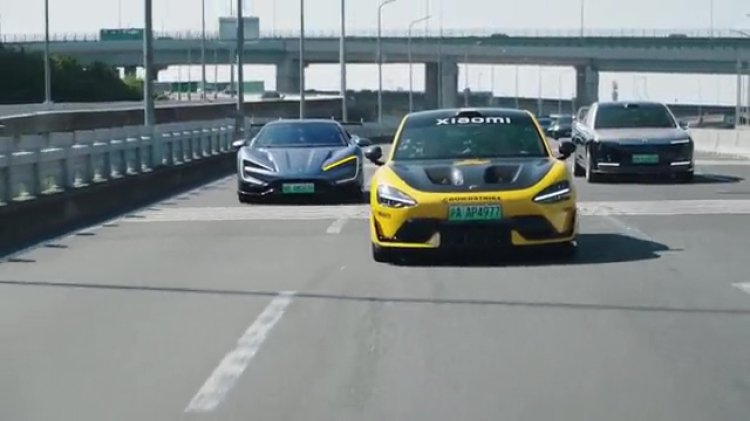
Chinese automakers are rapidly pivoting from traditional vehicle attributes to software and connectivity as key competitive differentiators, driven by escalating collaboration with technology, semiconductor and telecommunications firms. About 60% of new cars sold in China now offer some level of driver-assistance, reflecting growing consumer expectations for intelligent features and the emergence of cars as “smart terminals” that combine autonomous-driving systems, digital cockpits and advanced connectivity.
Industry alliances and partnerships are multiplying to accelerate development and reduce reliance on in‑house solutions. Notable examples include the Harmony Intelligent Mobility Alliance—backed by Huawei—whose member brands, using Huawei’s Harmony OS and autonomous-driving stack, collectively delivered more than 80,000 units in November. Automakers are teaming with chip designers to secure tailored processors and sensors, with AI companies to refine perception and driving algorithms, and with telecom operators to enable vehicle-to-everything (V2X) communication and real‑time cloud services. These ties shorten development cycles, cut costs, and help firms keep pace with rapid technological change.
Market pressures—intense price competition and tech-savvy younger buyers—are making smart features a crucial selling point. Government policies further encourage integration, with pilot zones and regulatory sandboxes facilitating joint tests of autonomous driving and smart-transport systems. However, experts warn of risks: data security, intellectual property disputes and dependence on external suppliers could undermine long-term control of core technologies. Carmakers must therefore balance collaboration with efforts to develop proprietary software and systems.
Analysts expect cross-industry cooperation to deepen as China’s auto sector advances electrification and intelligence. Facing global competition in smart mobility, Chinese manufacturers view strategic partnerships with ICT, chip and AI firms as essential to accelerate innovation, enhance user experience and maintain competitiveness in the next phase of automotive development.