Venezuelan diaspora rallies in Barcelona
Crowds celebrate online claims about Nicolas Maduro

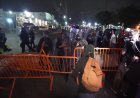
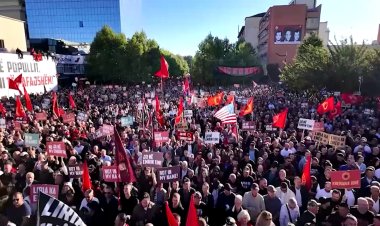
Hundreds of Venezuelan expatriates in Barcelona gathered to celebrate reports that circulated online claiming U.S. forces had captured Venezuelan President Nicolás Maduro, though those claims remain unverified and have been widely disputed. Participants waved flags, sang and voiced support for opposition figures, while speakers at the gathering asserted that Edmundo González Urrutia—a veteran opposition leader they say won the contested 2024 vote—and María Corina Machado remain the legitimate leaders Venezuela needs. One attendee declared determination to "defend tooth and nail" González Urrutia’s claim and Machado’s role as the opposition’s leader.
The social media-driven accounts that sparked the Barcelona event alleged Maduro had been seized and flown to the United States and cited a pending U.S. court appearance on drug-related charges. Those narratives also suggested that the U.S. government would assume control of Venezuela, characterizing the operation as Washington’s most significant intervention in Latin America since the 1989 invasion of Panama. Reports additionally claimed Vice President Delcy Rodríguez had been installed as interim leader with backing from Venezuela’s top court, while noting Rodríguez’s simultaneous role as oil minister and her insistence that Maduro remains president.
Independent verification of Maduro’s capture is lacking. No major international news organizations, U.S. government agencies, or Venezuelan authorities had confirmed any such seizure, and official Venezuelan communications continued to feature Maduro. Fact-checkers and analysts warned that the viral claims likely stemmed from misinformation; prior diaspora demonstrations in European cities have marked sanctions, court rulings or political shifts without reflecting an actual detention.
The disputed reports underscored deep divisions within Venezuela and among the diaspora: opposition supporters celebrated what they interpreted as a turning point, while many observers cautioned against accepting unconfirmed claims that would amount to an extraordinary international incident. The episode highlights how rapidly unverified content can mobilize diaspora communities and shape perceptions abroad, and it prompted calls for reliance on statements from established news outlets and official sources before treating dramatic allegations as fact.