Subdued christmas mass in bethlehem
Cardinal calls for hope and peace amid ongoing conflict
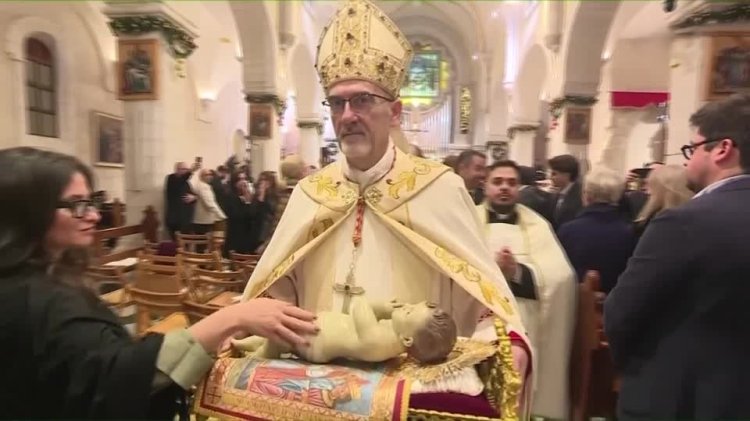
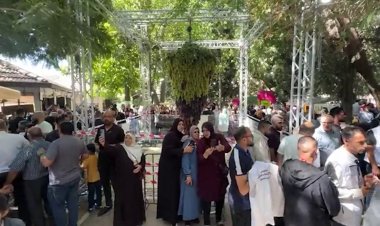
Cardinal Pierbattista Pizzaballa, Latin Patriarch of Jerusalem, presided over a subdued Midnight Mass at the Church of the Nativity in Bethlehem, with Palestinian officials among those attending. The service, held under heightened security and with reduced attendance, reflected the ongoing hardships tied to the regional conflict that had prompted two years of limited public festivities in the holy city.
In his homily the cardinal stressed themes of hope, humility and peace, framing Christmas as a light in dark times and calling for compassion toward civilians, especially children and displaced families. He urged an end to violence and linked the celebration in Bethlehem to broader appeals for justice and mercy amid prolonged suffering. Traditional hymns and prayers in multiple languages echoed through the ancient basilica as worshippers gathered largely from local Christian communities, clergy and remaining pilgrims.
Bethlehem’s Christmas season was notably muted: many public events and parades were curtailed or canceled in solidarity with victims and because tourism and local life continue to suffer from instability. Shops and hotels that normally bustle at this time remained quiet, underscoring the economic toll on the city that depends heavily on pilgrims and visitors. Attendance at the Mass was smaller than in previous years, with travel restrictions and security concerns deterring many international pilgrims.
Church leaders described maintaining Christmas rites as an act of resilience and cultural continuity, saying that celebrating the Nativity in its birthplace carries special meaning during crises. The atmosphere combined solemn reflection with a measured sense of hope, as congregants prayed for peace, for those who have lost loved ones, and for displaced families. The cardinal’s message emphasized that faith and community support are vital during hardship and that compassionate action toward the vulnerable should accompany calls for peace.
As the service ended shortly after midnight, worshippers left quietly, carrying candles and prayers into the streets. For many in Bethlehem, the Mass served less as a festive occasion and more as a communal affirmation of endurance and spiritual solidarity. Church officials and attendees expressed cautious optimism that the fragile cessation of major hostilities would allow fuller celebrations and a gradual return of pilgrims, but they acknowledged that lasting stability remains uncertain and that recovery for the city’s people and economy will take time.