Protests in Serbia demand elections
Clashes erupt in Novi Sad as anger over corruption grows
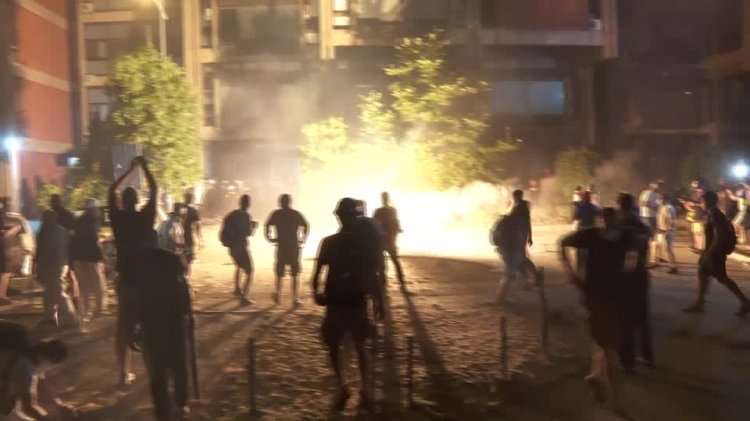
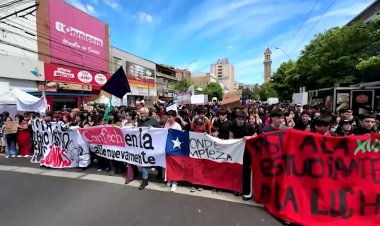
Anti-government protests erupted in Serbia as demonstrators clashed with riot police in Novi Sad, following a large rally demanding early elections. Thousands of protesters, primarily students and opposition groups, gathered outside the Faculty of Philosophy at the University of Novi Sad to renew calls for political accountability and justice after a deadly train station roof collapse in November 2024, which resulted in 16 fatalities. Protesters blame government corruption for the disaster and are seeking to oust President Aleksandar Vučić and his ruling SNS party.
As tensions escalated, police deployed tear gas and stun grenades to disperse the crowds, which chanted slogans like “Vucic, leave!” and held banners demanding elections. Eleven police officers were reported injured during the clashes. President Vučić denied allegations of corruption and accused foreign security services of inciting unrest, while the crackdown on protests drew heavy criticism for infringing on media freedom and democratic rights.
The protests, which have been ongoing for ten months, began as vigils for the victims of the train station collapse and have evolved into a broader anti-corruption movement. Demonstrators are demanding transparency, freedom of expression, and democratic reforms. Throughout the summer, peaceful protests, including silent marches and white rose vigils, have taken place in Belgrade and other cities, but recent weeks have seen an escalation in tensions between protesters and authorities.
The Guardian has urged the European Union to take a stronger stance in support of Serbia’s civic movement, warning that a muted response undermines democratic values. Serbia remains an EU candidate, and the ongoing unrest is testing the bloc's commitment to defending democratic principles amid geopolitical pressures from Russia.
President Vučić has vowed to maintain law and order and plans pro-government rallies to counter the opposition. He has labeled protesters as “cowards” and “terrorists,” asserting that Serbia is a strong and responsible state. However, the protest movement, rooted in student activism and fueled by years of discontent, shows no signs of abating, as many view it as a critical struggle for governance, public trust, and the future of democracy in Serbia