

Soldiers seize power in guinea-bissau
Capital remains tense as junta detains leaders and declares a one-year transition
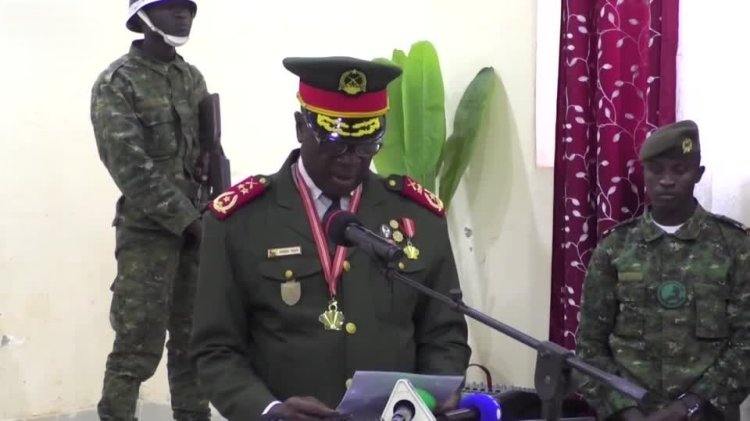
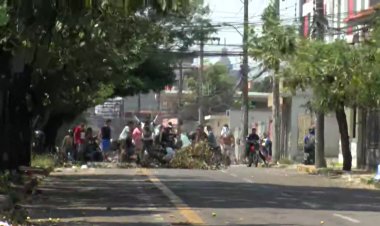
The capital’s centre was unusually quiet after soldiers seized power, with many shops closed and only sparse traffic as residents awaited clarity following a swift military takeover that toppled the civilian leadership. Armed officers removed President Umaro Sissoco Embalo and installed Major-General Horta Inta-a as transitional leader, after the self-styled “High Military Command for the Restoration of Order” said it had acted to halt an alleged destabilisation plot involving politicians and drug barons, without providing details.
Gunfire was reported near the electoral commission headquarters and the presidential palace the day before the takeover. The coup occurred just before provisional results were due from a weekend presidential vote in which Fernando Dias, a 47-year-old political newcomer, had emerged as Embalo’s main challenger. The event marks the ninth coup in West and Central Africa in five years and highlights Guinea-Bissau’s recurrent political instability; the country is also known as a transit hub for cocaine and has a long history of military interventions in politics.
An army statement said Embalo and other top officials were under the control of the High Military Command. Later reports said Embalo had been flown to Senegal on a special flight following a regional intervention. The African Union condemned the takeover and demanded the release of election personnel and all detained officials.
Major-General Horta Inta-a made a televised appearance in uniform, flanked by military officials, and said the intervention was necessary to prevent narcotraffickers from “capturing Guinean democracy.” He announced a one-year transition starting immediately and, at a swearing-in ceremony, named Major-General Tomas Djassi as army chief of staff.
Banks and many businesses remained closed while traffic gradually resumed and residents monitored the unfolding situation, cautious as the new authorities’ next steps remained unclear. The takeover deepens concerns about governance and security in a country where the military has repeatedly intervened, and it raises regional alarm about the pattern of coups across West and Central Africa. International calls for the restoration of civilian rule and the release of detained officials added pressure on the junta as the population and observers awaited further developments.