

Gaza races to save its heritage
Workers struggle to protect artefacts amid vast destruction
With tens of thousands killed, countless injured and whole districts devastated, Gaza faces an almost unimaginable reconstruction task — and alongside lifesaving relief, a parallel emergency is unfolding to salvage the enclave’s battered cultural heritage.
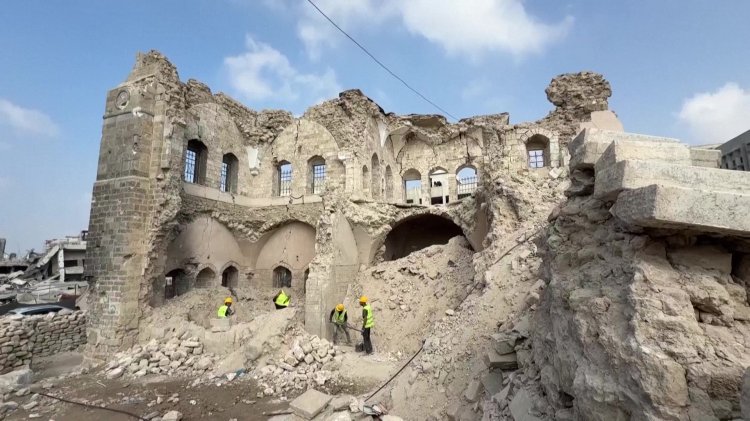
At a handful of key sites, workers and volunteers are already excavating and cataloguing surviving fragments. The Great Omari Mosque in Gaza’s Old City, long the enclave’s chief historical and spiritual landmark, was heavily damaged in strikes that Israeli forces said targeted an alleged tunnel beneath its grounds; Palestinians deny such a tunnel existed and accuse Israel of destroying religious and cultural patrimony. Once a Byzantine church later converted under Caliph Omar and repeatedly restored by Mamluks, Crusaders and Ottomans, the Omari’s minaret was a defining feature of Gaza’s skyline. Nearby, the once‑vibrant Al Qaisariyya market and the 13th‑century Pasha’s Palace — formerly housing a museum — lie in ruin and many of their collections are missing or destroyed.
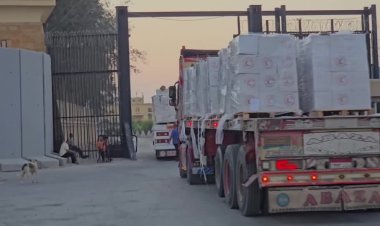
Architects, archaeologists and heritage workers say their immediate priorities are surveying damaged masonry, shoring structures at risk of collapse and rescuing movable artefacts. Palestinian officials and UNESCO have drafted a three‑phase recovery plan with initial costs of roughly $133 million focused on stabilisation and later restoration, but material shortages — notably white cement and gypsum — and soaring prices hinder work. Fuel, electricity and security constraints further threaten fragile archives and museum holdings, while restrictions on access limit international assistance.
In the absence of functioning institutions, informal networks of volunteers and professionals are salvaging pottery shards, textiles, manuscripts, instruments, photographs and household heirlooms. Many displaced families have preserved small personal treasures — wedding dresses, Quranic manuscripts, woven mats — wrapping them in blankets and carrying them through repeated evacuations; conservators now treat such personal items as vital components of Gaza’s living history. Salvaged objects are being cleaned, photographed and hidden in temporary safe rooms, metal trunks or underground pits where possible.
Despite overwhelming obstacles, the effort continues. Heritage workers argue that while buildings can be rebuilt, the erasure of archives, manuscripts and artefacts would inflict permanent rupture on Gaza’s cultural continuity. Their improvised, costly, and hazardous work aims to ensure that, amid the rubble, the enclave’s story and identity survive for the day when reconstruction and return are possible.