Colombia rivals sharpen campaigns
Security and inequality dominate election race
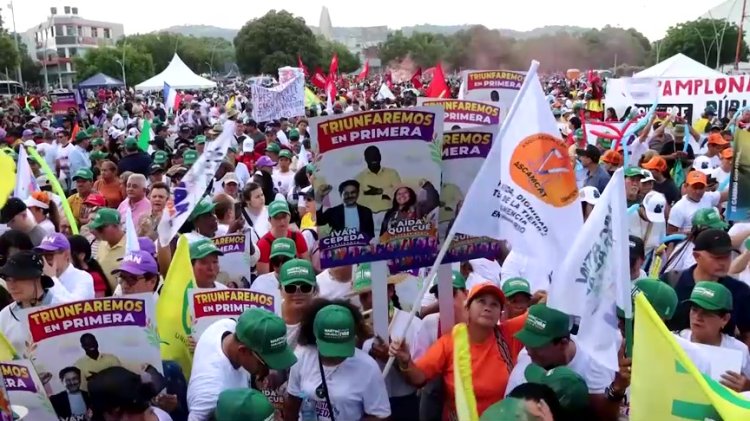
Colombian presidential contenders intensified nationwide campaigning ahead of the upcoming election, centering their appeals on security and economic inequality as they crisscrossed urban centres and rural regions to win voter support.
Leftist Senator Iván Cepeda of the Historic Pact pledged to continue social reforms aimed at reducing poverty and inequality, casting himself as the heir to President Gustavo Petro’s political project. Right‑wing lawyer Abelardo de la Espriella stressed tougher measures on crime while promising protection for ordinary citizens. Conservative Senator Paloma Valencia, backed by the Democratic Center and former President Álvaro Uribe’s political base, vowed to abandon Petro’s “Total Peace” negotiation policy and restore arrest warrants for armed groups including the ELN, the Gaitanista Self‑Defense Forces and FARC dissidents. Recent polling places Cepeda, de la Espriella and Valencia among the front‑runners.
Security emerged as the dominant voter concern, with candidates confronting rising violence tied to illegal armed groups, drug‑trafficking networks and contested rural territories. Campaign events in Bogotá and other cities emphasized urban crime, policing and public safety, while visits to agricultural and remote zones highlighted land inequality, limited state services and threats posed by armed organizations operating along trafficking corridors. Proposals vary from bolstering military presence and law‑enforcement operations to expanding social investment designed to tackle root causes of instability.
Economic inequality and social services formed the second major theme, with debates over job creation, education access, healthcare coverage, housing shortages and infrastructure investment aimed at narrowing regional disparities. In metropolitan areas, cost‑of‑living pressures and unemployment—particularly among younger and working‑class voters—featured prominently in candidate speeches and policy platforms.
Campaign tours have combined large rallies, community meetings and dialogues with local leaders as contenders seek to consolidate support in key regions. Analysts link the race’s dual focus to long‑standing structural issues in Colombia—unfinished peace implementations, uneven development and the mixed outcomes of anti‑narcotics policies—that continue to shape voter priorities. As the contest tightens, observers say the decisive test will be which candidates can credibly balance firm security strategies with meaningful social reforms to address persistent exclusion and violence.