

Trump meets Mamdani in Oval Office
The meeting was described as productive despite their political differences
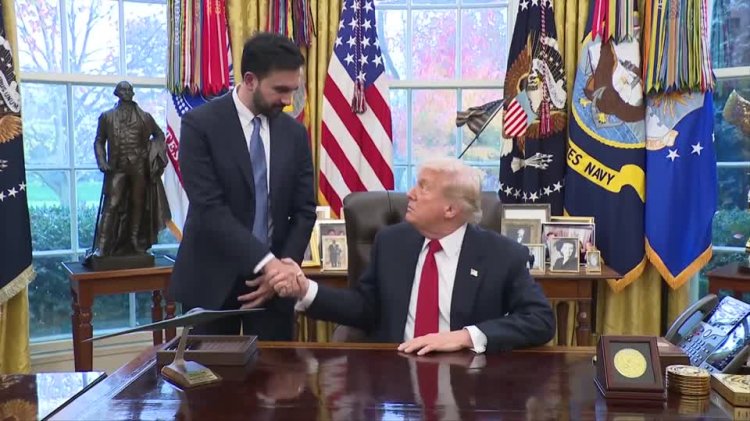
U.S. President Donald Trump and New York mayor‑elect Zohran Mamdani met in the Oval Office and described the discussion as productive despite sharp political differences. Both men said they shared a commitment to improving life in the nation’s largest city, focusing on affordability issues such as housing, rising rents, grocery prices and utility costs. Trump said efforts to lower prices nationally would benefit New York and called for talks with Con Edison to reduce energy bills; he also offered partisan support, saying, “The better he does, the happier I am.” Mamdani, a progressive Democrat who has previously criticized Trump, emphasized their common ground on delivering affordability for New Yorkers.
The meeting marked a notable shift from the campaign‑period antagonism between the two: Trump had earlier attacked Mamdani’s candidacy and warned of withholding federal funds, while Mamdani had sharply opposed many of Trump’s policies. Officials and analysts framed the encounter as pragmatic outreach by Mamdani and a willingness by Trump to engage despite prior hostility. They noted the meeting could help secure federal cooperation on city priorities and avoid confrontations that might harm residents.
Observers cautioned that substantive policy alignment remains uncertain. Mamdani’s agenda—expanded social housing, police reform and broader economic changes—differs substantially from Trump’s priorities and political base, so the cordial tone may prove symbolic unless followed by concrete action. The White House photo‑op and public statements offered a chance to reframe relations from confrontation to working dialogue, but analysts warned the ideological divide could limit cooperation when specific policies are negotiated.
Short‑term impacts may include smoother federal‑local interactions and potential talks with utilities and agencies over costs. Longer‑term outcomes will depend on whether the meeting produces tangible federal support or policy shifts on housing, public safety and energy prices, and on how each side handles inevitable policy conflicts. Security and political aides from both camps characterized the exchange as constructive; families and constituents will be watching to see if the détente translates into measurable relief for New Yorkers.