Trump revokes Brazil food tariffs
Move aims to ease costs before holiday season
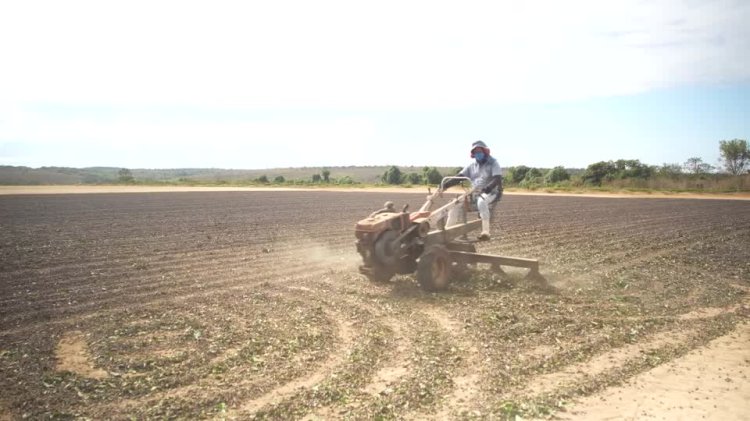
The U.S. president has revoked 40% tariffs on a range of Brazilian food imports, including beef, coffee, cocoa and fruit, reversing measures imposed in July intended to penalize Brazil over legal actions against former president Jair Bolsonaro. The executive order applies retroactively to imports on or after November 13 and may entitle importers to refunds for duties paid while the tariffs were in force, according to the White House text.
The tariffs’ removal follows an earlier rollback of duties on several agricultural products and comes as the administration seeks to ease rising grocery costs ahead of the holiday season. U.S. officials said the July levies had contributed to higher domestic prices for staples such as beef and coffee; Brazil supplies roughly one‑third of coffee consumed in the United States and has become a major supplier of beef used in processed products and burgers. The White House framed the decision as responsive to consumer price pressures and as reflecting progress in talks with Brazil’s President Luiz Inácio Lula da Silva, with further negotiations on bilateral trade expected.
Brazil welcomed the rescission as a step toward restoring predictable trade relations and stabilizing shipments to a key market, though Brasília noted that other trade penalties on certain agricultural exports remain unresolved and will require follow‑up discussions. Exporters in Brazil said the move should improve market access and shipment volumes to the U.S.
Reactions within the United States were mixed. Food importers, distributors and retailers praised the rollback, anticipating greater availability and relief on retail prices. Conversely, some domestic cattle producers and coffee growers warned that lifting the tariffs will reintroduce sharper foreign competition at a time when U.S. producers face high input costs, potentially pressing farm incomes.
The decision underscores a shift in the administration’s trade posture as economic and political priorities intersect: officials balanced a punitive response to Brazil’s internal politics earlier in the year against mounting domestic inflationary concerns and the strategic importance of agricultural supply lines. By removing duties retroactively, the White House signalled attention to importers’ immediate costs; by coupling the move with ongoing talks, it left open the possibility of further trade adjustments.