Turkey prepares for its first lunar mission
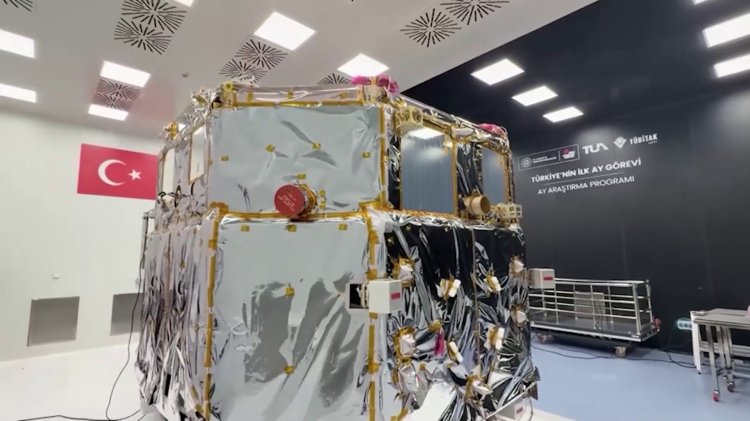
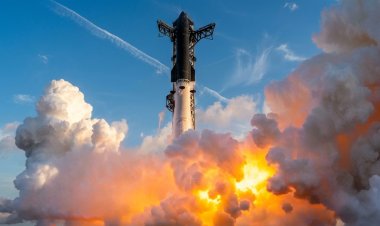
Turkey is advancing its National Space Program with the planned launch of its first lunar spacecraft, AYAP-1, in early 2027. Production and assembly of the 3.5-ton spacecraft have been completed. It is now undergoing environmental testing at Turkish Aerospace Industries to verify resilience to harsh space conditions. The AYAP-1 mission, developed with over eighty percent domestic content, is designed as a lunar orbiter and impactor. It is scheduled to launch from the Kennedy Space Center in Florida aboard a SpaceX Falcon 9 Block 5 rocket. The journey to lunar orbit is expected to take two months, after which the spacecraft will enter a 100-kilometer polar orbit around the Moon. Scientific objectives include collecting data on lunar water formation, magnetic activity, solar winds, and surface radiation. The spacecraft will operate in lunar orbit for three months, potentially extending to a year and a half. It will test Turkey's first homegrown hybrid propulsion system for orbit-raising and a controlled deceleration burn to impact the lunar surface. This lunar endeavor is a pivotal moment for Turkey, aiming to become the ninth country to successfully complete a lunar mission. It underscores Turkey's commitment to technological independence in critical space technologies. The mission aligns with Turkey's accession to the Artemis Accords, an international framework for lunar and deep space exploration. The National Space Program, launched around 2020, outlines a ten-year roadmap for advancing capabilities in deep-space missions, lunar exploration, and spacecraft systems.