

Venezuelans rally for Maduro release
Also protesters rallied to denounce the U.S.-Israel military campaign against Iran
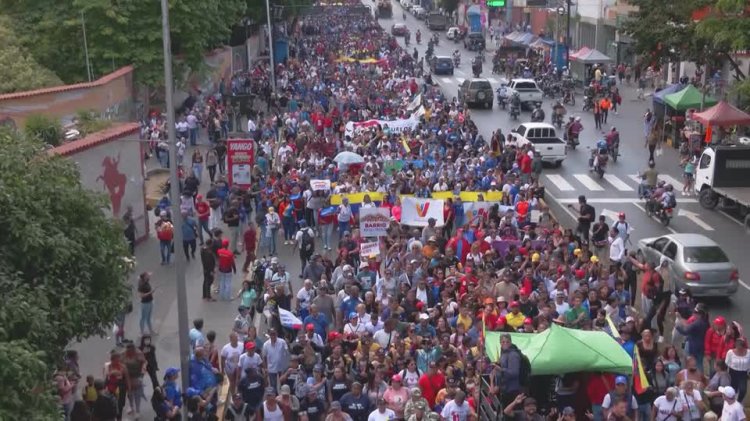
Hundreds marched in Caracas demanding the release of ousted president Nicolás Maduro and former first lady Cilia Flores two months after their capture during a U.S. military operation. The demonstration, joined by Maduro’s son and lawmaker Nicolás Maduro Guerra, came amid a broader political thaw between Venezuela and the United States: Caracas has eased ties with Washington, approved reforms to attract foreign investment in the oil sector and passed an amnesty law intended to free or lift restrictions on many detainees.
Maduro is detained in New York awaiting trial on charges of narcoterrorism and cocaine trafficking; he has pleaded not guilty. Flores also faces federal charges, including drug trafficking, and has pleaded not guilty. Venezuela’s National Assembly reported that the amnesty law, passed in February, has led to thousands of releases or lifted restrictions, though rights groups dispute those figures and say hundreds remain detained. Critics argue the law is narrowly defined, covering political protests and “violent actions” during specified periods between 2002 and 2025 without clearly listing which crimes are eligible for amnesty, and falls short of delivering relief to many political prisoners.
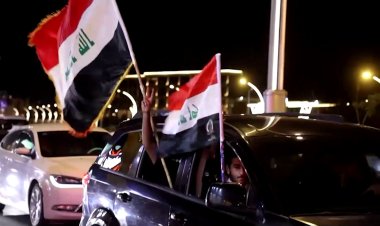
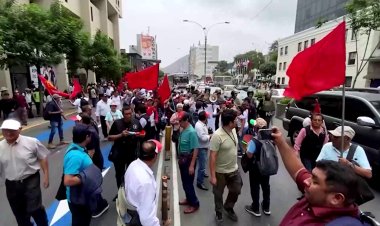
Separately, protesters rallied outside the Iranian Embassy in Caracas to denounce the U.S.-Israel military campaign against Iran, joining international demonstrations over the widening conflict. The rally, organised by social movements and the International Platform for Solidarity with the Palestinian Cause, featured speeches and chants supporting Iran; Iran’s ambassador to Venezuela, Ali Chegini, addressed the crowd and vowed a retaliatory response “that will never be forgotten in history,” referencing the U.S. operation that led to Maduro’s capture. The twin demonstrations underscore Venezuela’s complex domestic politics and its evolving diplomatic posture amid regional and global tensions.