U.S. online sales set record for Cyber Monday
Shoppers spend $14.2 billion as AI tools and discounts drive peak demand
U.S. online shoppers are projected to spend $14.2 billion on Cyber Monday, a rise of about 6.3% from last year, capping a four-day holiday shopping stretch that began after Thanksgiving, Adobe Analytics said. The figure follows a record online Black Friday of $11.8 billion and a $23.6 billion weekend total, up roughly 9% year-over-year, as wealthier consumers spent freely while lower-income buyers hunted deals. In contrast, in-store shopping weakened, with foot traffic down about 5.3% for the weekend, RetailNext reported.
Adobe expects more than half of Cyber Monday’s online sales to come from electronics, apparel and furniture. Retailers are leaning heavily on AI tools to personalize shopping and drive traffic: AI-driven visits to U.S. retail sites are forecast to surge about 670% from last year as assistants and recommendation engines proliferate. Amazon promoted its AI shopping assistant Rufus, showcased for tasks such as suggesting stocking-stuffer ideas within a set budget. Executives said AI also supports employees by automating routine tasks and freeing staff for higher-level problem solving.
Amazon executives highlighted deep discounts across categories — examples cited included earbuds, Beats, Nike, and consumer electronics with markdowns of 30% to 60%, and laptops advertised at around 55% off. Popular items mentioned by company spokespeople included Apple AirPods and certain beauty products. Shoppers used chatbots and AI tools to compare prices and navigate tariff-driven price fluctuations, helping secure deals during peak demand.
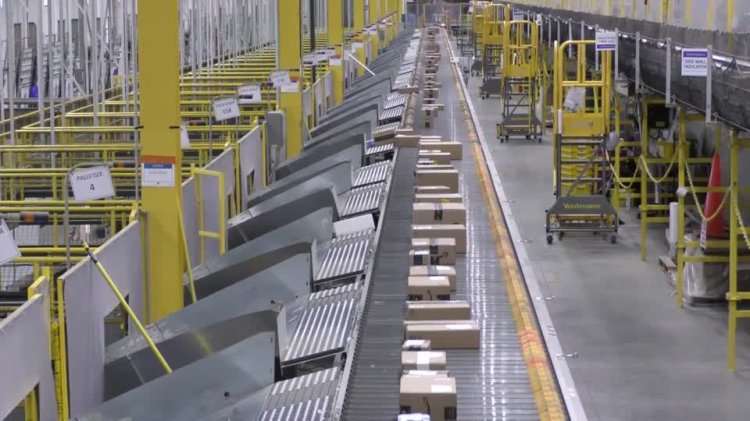
Retailers prepared for increased holiday volume by boosting staffing: Amazon said it aimed to hire some 250,000 seasonal, regular and part-time workers for the peak season. The company also emphasized expanded product assortments, positioning itself as a “one-stop shop” for holiday needs.
Despite this year’s uptick, holiday online growth remains modest relative to the rapid expansion seen earlier in the decade. Adobe’s data show single-digit online growth in each of the past five years, compared with double-digit increases between 2015 and 2020, reflecting a cooling trajectory after pandemic-era surges. Market resilience during the shopping weekend came despite recent political and economic headwinds, including a U.S. government shutdown and generally weak consumer confidence amid elevated tariffs.
Overall, the season’s early metrics suggest sustained consumer appetite for online promotions and growing reliance on AI-driven shopping aids, even as retailers and shoppers navigate pricing pressures and a more measured growth environment for holiday commerce.