U.S. sends carrier to Middle East
Third carrier deployment boosts regional forces
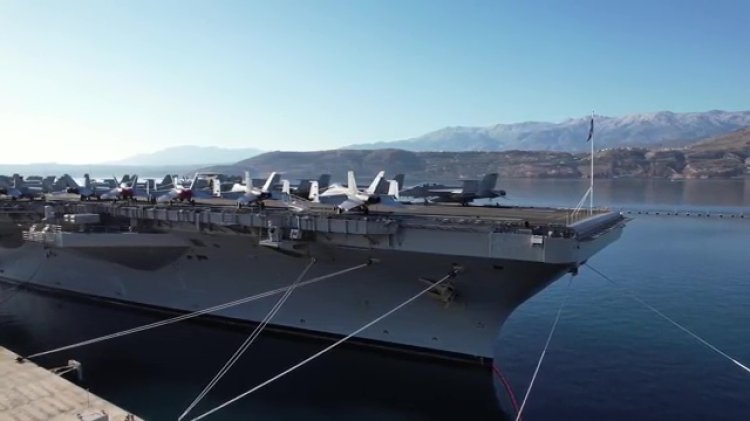
The USS George H.W. Bush carrier strike group has left Norfolk, Virginia, bound for the Middle East, a deployment that could raise the number of U.S. nuclear-powered aircraft carriers operating in the region to three amid the widening U.S.-Israeli campaign against Iran. The move follows the ongoing presence of the USS Gerald R. Ford and USS Abraham Lincoln carrier strike groups, which remain engaged in operations tied to the conflict; the Gerald R. Ford is currently in Crete for repairs after a recent onboard fire.
Defense sources say the George H.W. Bush will sail with escorting guided‑missile destroyers and a full carrier air wing, bolstering sustained strike, air defense and maritime patrol capabilities across the Red Sea, Arabian Sea and adjacent waters. Officials frame the deployment as a deterrence measure meant to protect vital shipping lanes, including the Strait of Hormuz, and to provide operational flexibility for U.S. forces responding to threats or conducting strikes linked to the conflict.
The concentration of multiple carrier strike groups represents a significant amplification of U.S. naval power in the region and comes amid weeks of escalating exchanges—airstrikes, missile launches and attacks on military and strategic targets—that have heightened concerns over the security of global energy routes and the risk of a broader regional war.
Military analysts warn that while the additional carrier enhances U.S. force posture and continuous air‑operations capacity, it also raises the prospect of further escalation and potential retaliation from Iran or allied groups.
The Pentagon has confirmed sustained high readiness levels but has provided no firm timeline for the George H.W. Bush’s arrival in the theater. Observers note that the deployment adds operational depth—allowing rotation and redundancy among carrier air wings—but also increases the complexity of crisis management in an already volatile maritime environment. As naval assets amass, diplomatic and military actors face mounting pressure to manage risks that could draw in multiple regional and extra‑regional forces and further strain global energy and shipping markets.