Afghanistan hunger crisis worsens in winter
Aid cuts and mass returns push millions toward severe food insecurity
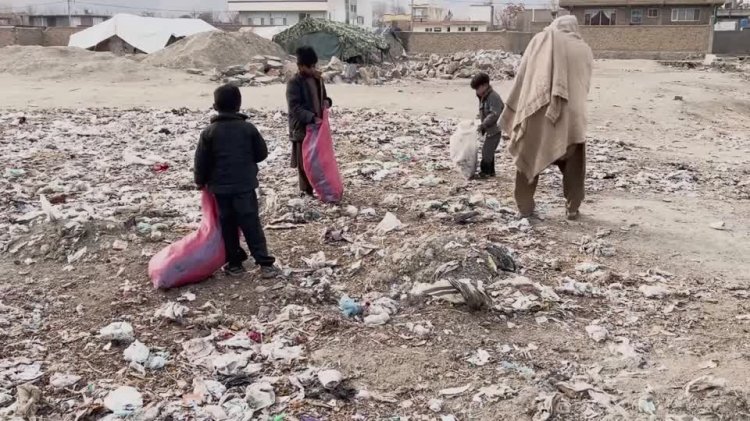
Afghanistan’s hunger crisis is deepening as harsh winter conditions combine with sharp cuts to international aid, leaving millions struggling to secure enough food and basic necessities. Aid agencies warn that freezing temperatures, snowfall and blocked roads are worsening an already dire situation, particularly in remote and mountainous areas where access is limited and livelihoods are fragile.
Humanitarian agencies say millions face similar hardship after Iran and Pakistan expelled more than 2.5 million Afghans in large-scale repatriation drives last year. Tehran intensified deportations amid accusations that some Afghans were spying for Israel; Pakistan cited security concerns and alleged militant threats from across the border. The mass returns have swollen Afghanistan’s population by roughly a tenth in many areas and increased pressure on already strained services.
The World Food Programme warns that acute hunger is rising sharply: roughly one-third of the population now faces severe food insecurity, with the agency reporting three million more people hungry than the previous year. WFP country director John Aylieff called the situation a “perfect storm” of drought, rising malnutrition and the forced return of millions, amplified by cuts to global aid programs and reduced donor support. He warned of a continuing surge in child malnutrition.
Clinics run by WFP and NGOs report caseloads have doubled, with daily treatment queues for malnutrition supplements that are insufficient to prevent relapse. Health workers and mothers say children improve briefly after treatment but then lose weight again as economic hardship persists. Widowed and displaced families describe desperate choices between buying food or fuel as winter tightens its grip.
Aid distributions in some provinces show rice and oil being handed out, but agencies say supplies fall far short of need. With roads blocked by snow in remote and mountainous regions, access problems further hamper relief delivery. Humanitarian groups warn that without urgent funding and expanded access, the crisis could deepen, leaving millions — particularly children, the elderly and displaced families — at heightened risk from hunger and cold.Aid groups say current efforts are far from sufficient to meet the scale of need, leaving millions at risk as winter tightens its grip.