

Syria, SDF agree ceasefire and withdrawal
Deal hands key territory and resources back to Damascus
Syrian government forces and the U.S.-backed Syrian Democratic Forces (SDF) agreed to an immediate, comprehensive ceasefire and a withdrawal of SDF-affiliated forces east of the Euphrates after days of fighting, in a deal that hands significant territory, resources and authority back to Damascus. The agreement, signed by President Ahmed al-Sharaa and SDF commander Mazloum Abdi, calls for SDF units to evacuate non-Syrian leaders and PKK-linked fighters from the country, for remaining SDF forces to be integrated into the defence and interior ministries following security vetting, and for government takeover of Kurdish-held provinces including Deir al-Zor and Raqqa as well as control of border crossings and oil and gas fields.
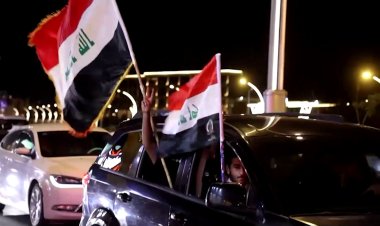
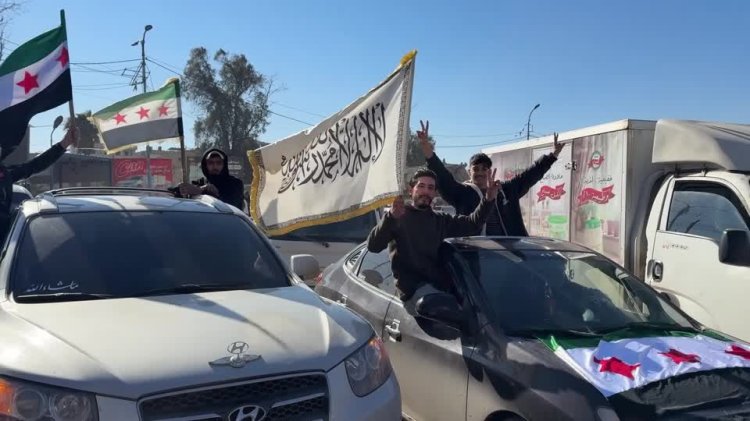
Government troops moved into cities and energy facilities formerly held by the SDF, with reports of checkpoints, ID checks and the clearing of SDF positions in Raqqa. Residents in parts of the northeast greeted incoming government forces and took to the streets in celebrations, reopening shops and expressing relief at the prospect of restored services and security after years of divided control. The handover marks a dramatic shift in Syria’s control map, ending SDF administration in several Arab-majority provinces that the Kurdish-led coalition had governed since the fight against Islamic State.
The accord follows stalled talks and mounting fears of wider conflict; Ankara welcomed the deal, seeing potential for greater stability along its border. The United States, which had previously supported SDF forces against Islamic State and has engaged in mediation, watched the rapid transition closely. Authorities say the transfer aims to achieve gradual implementation and full peace, while promising to preserve local administrative arrangements after integration.
Despite popular celebrations, some residents expressed caution, recalling past accords that were not fully realized. Observers note major uncertainties remain over the pace and thoroughness of implementation, the future status of SDF fighters and the removal of foreign Kurdish leaders, and how the change will affect the region’s complex web of external actors and security dynamics. The deal consolidates presidential authority in Damascus and could reshape northeastern Syria’s political and economic landscape if carried out as outlined.