Bolivia court blocks Morales re-election bid
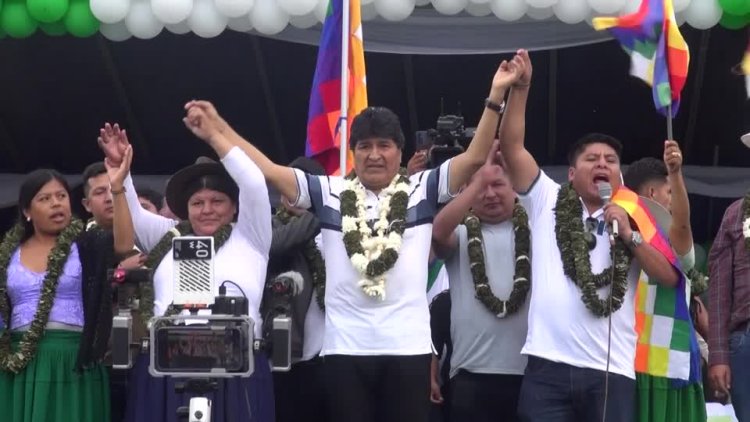
Bolivia's constitutional court upheld a ruling that bans more than two presidential terms, effectively blocking former President Evo Morales from running in the upcoming elections. The unanimous decision came after years of debate over the constitutionality of a potential third term for Morales, who argued that preventing him from running would violate his human rights. Having served three terms from 2006 to 2019, Morales previously circumvented term limits by claiming his first term did not count due to a constitutional rewrite.
In response to the court's ruling, Morales expressed his discontent, stating it made "no sense." The court emphasized that the Bolivian Constitution restricts individuals to two presidential terms, whether consecutive or not, disqualifying Morales from future candidacy. After contesting the 2019 election results, which led to his resignation and exile, Morales remains a polarizing figure, facing legal challenges, including allegations of statutory rape and human trafficking, which he denies, claiming political persecution by current President Luis Arce.
President Arce, who succeeded Morales in 2020, announced that he would not seek re-election due to declining poll numbers and internal divisions within the ruling Movement for Socialism (MAS) party. He urged Morales to also step aside to avoid further fragmentation of the leftist vote. With both Morales and Arce out of the race, attention is shifting to Senate President Andrónico Rodríguez, a rising figure within MAS, who may become the leading leftist contender in the August 17 election.
The political landscape in Bolivia remains uncertain, with the MAS party divided and opposition parties yet to consolidate around a single candidate.