Honduran voters face tense presidential race
Observers warn of disputes as rivals allege fraud
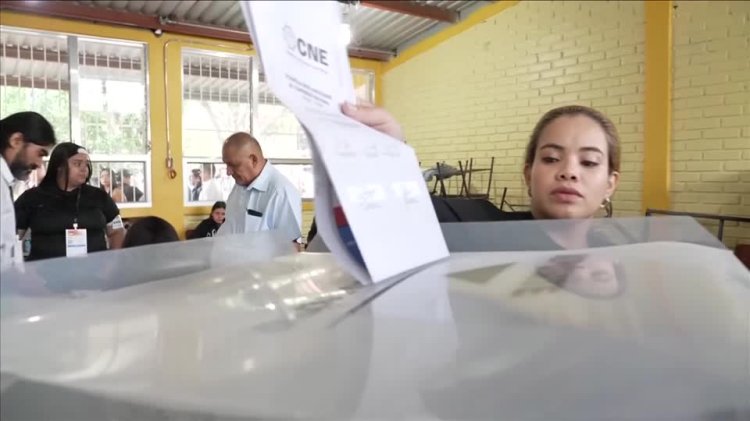
Honduran voters queued at polling stations across the country in a tightly contested presidential election watched closely by domestic and international observers amid widespread calls for transparency and fears about the nation’s political future. Voters described a tense atmosphere and urged that any victor win by a clear margin to avoid disputes; many underlined the need for fair processes and confidence that votes would be counted.
Most pre-election polls pointed to a near three-way race among former Defense Minister Rixi Moncada of the ruling leftist LIBRE party, former Tegucigalpa mayor Nasry Asfura of the conservative National Party, and television host Salvador Nasralla of the centrist Liberal Party. The ballot also included contests for 128 congressional seats, hundreds of mayoralties and thousands of local offices, all taking place in a highly polarized environment in which top contenders accused one another of plotting fraud. Moncada signalled she might not recognise official results if she judged them compromised.
The Organization of American States voiced concerns about the process and urged the outgoing administration to ensure elections free from intimidation, fraud and interference. The campaign unfolded against a backdrop of deep socioeconomic strain—six in ten Hondurans live in poverty—and a history of political upheaval dating to the 2009 coup that ousted former president Manuel Zelaya. The 2021 election of Xiomara Castro ended decades of dominance by the National and Liberal parties; she is barred from re‑running, leaving the next president to confront entrenched corruption, gang violence and economic challenges.
As polls closed, reports emerged of polling stations shutting while people still waited in line, prompting complaints from voters and observers. The National Electoral Council had extended official voting hours and allowed individual stations to stay open longer, but some locations reportedly closed prematurely, incidents now under scrutiny.
Early partial results released during counting showed Asfura holding a narrow lead with roughly one-third of ballots tallied, followed closely by Nasralla and with Moncada trailing; the tallying process drew intense scrutiny after mutual fraud allegations. External interventions and endorsements, including a high-profile endorsement of Asfura from former U.S. president Donald Trump, heightened concerns about foreign influence.
Authorities urged calm as counting continued, while opposition supporters raised transparency alarms and warned of possible manipulation. Analysts cautioned that the post-election period could become volatile if major candidates reject the outcome, underscoring the stakes for a nation seeking to restore confidence in institutions and address pressing security and economic problems regardless of who wins.