Honduras town vote may decide election
Honduran leftist presidential candidate Rixi Moncada rejected elections
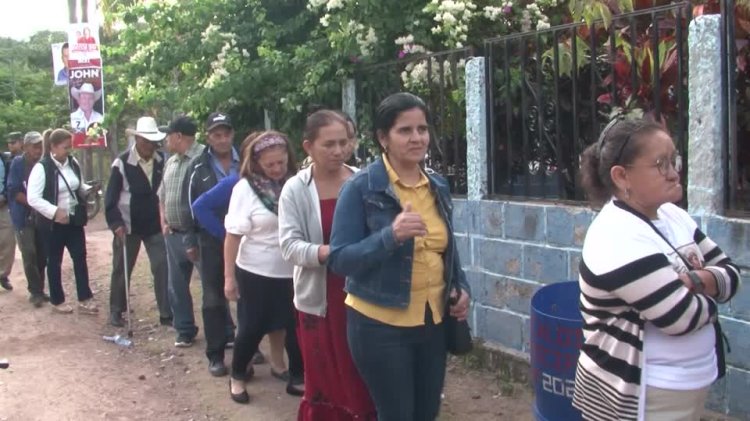
Residents of San Antonio de Flores in rural Honduras voted in a delayed poll that could decide the nation’s razor‑thin presidential contest, as military patrols and Organization of American States observers oversaw the process. Nearly 5,000 registered voters cast ballots after polling stations were closed on the original election day amid allegations of sabotage, misprinted ballots and missing party poll watchers. The town’s vote, held a week after the nationwide election, has assumed outsized importance because the two leading candidates remain separated by only a few tens of thousands of votes nationally.
Opposition candidate Salvador Nasralla arrived by helicopter to urge turnout, saying “every vote, no matter how small, has value,” while supporters of conservative Nasry Asfura also travelled to vote; both campaigns have accused each other of irregularities during a contest already marked by delays and fraud claims. Local tensions were evident: the mayor said absence of Liberal Party watchers led to the initial cancellation, a point contested by a rival, and residents voiced frustration that administrative problems forced a second voting day.
The episode has drawn international attention, amplified by public intervention from foreign leaders: statements backing one candidate and warnings about consequences if preliminary results are overturned have heightened stakes and debate over external influence. Electoral authorities said the delayed ballots will be verified and added to the national tally; international observers described the special voting as orderly but noted the heightened political pressure surrounding the town.
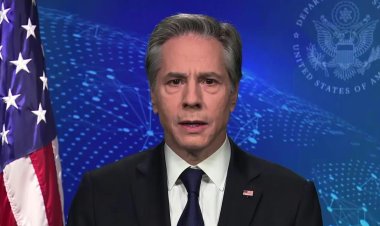
In the meanwhile Honduran leftist presidential candidate Rixi Moncada rejected the country's November 30 national elections, demanding they be annulled.
She accused the United States of interference and said her party was calling on its supporters to take part in marches, strikes, and sit-ins to protest what she has called election fraud.
Voting on November 30 was calm and peaceful, according to independent electoral observers. But the subsequent reporting of the results has been chaotic, marred by starts and stops that have intensified frustrations over the tight race.
In the latest results released, Nasry Asfura of the National Party led with 40.19%, less than 20,000 votes ahead of centrist rival Salvador Nasralla of the Liberal Party, who stood at 39.49% with 88% of ballots tallied. Rixi Moncada of the ruling leftist Libre Party trailed far behind with 19.30%. Some 14% of ballots showed inconsistencies, officials said, and would be reviewed. There have been no updates to these results over the weekend, testing residents' patience as the presidency hangs in the balance.