

Israeli strikes hit Beirut district
Dead and injured reported in overnight raids
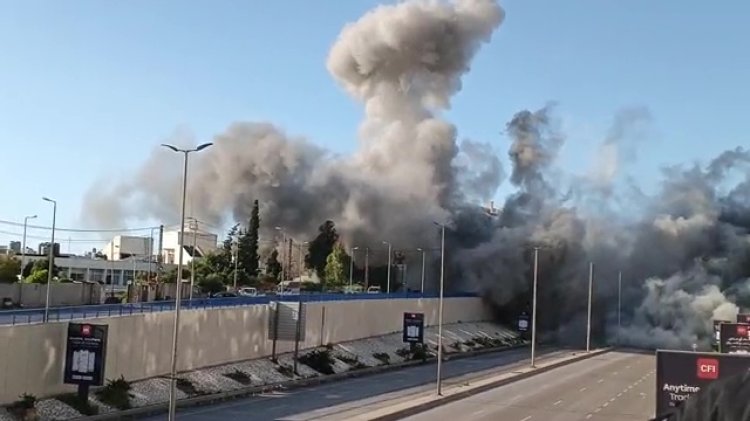
Damaged vehicles and bloodstains were reported across Beirut’s Jinnah district after overnight Israeli strikes that Lebanese authorities said killed at least five people and wounded 21. Israel’s military announced two separate strikes in the Beirut area targeting a senior Hezbollah commander and another senior member of the Iran-aligned group, without identifying the individuals or confirming casualties; Hezbollah had not immediately commented.
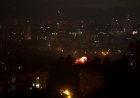
The strikes mark a continuation of an expanding Israeli offensive in Lebanon that has already killed at least 1,200 people and displaced some 1.2 million, officials say. Lebanon’s involvement followed Hezbollah rocket fire in solidarity with Iran after a separate attack on Iranian targets by Israel and the United States, prompting renewed Israeli ground and air operations. Witnesses in Beirut reported loud explosions, plumes of smoke and widespread damage to buildings as first responders rushed to assist the injured and clear debris.
Local officials described heavy destruction in markets and main arteries, with rescue teams operating under hazardous conditions and reporting incidents that hampered relief efforts. In Nabatieh, officials said economic life was paralyzed: streets deserted, markets destroyed and about 70 percent of civilians having fled, while damaged roads and debris complicated paramedic access and aid delivery.
The strikes deepen regional tensions as cross-border hostilities between Israel and Lebanon intensify and military actions increasingly affect urban centers. Observers warn the escalation risks drawing in additional actors and further destabilizing the area. Lebanese officials condemned the raids as violations of sovereignty and urged international intervention to prevent wider conflict and protect civilians. Humanitarian and emergency teams continue to assess casualties and damage amid constraints posed by ongoing security risks, leaving relief operations reliant on rapidly changing conditions and limited access to affected neighborhoods.