Kenya, Uganda revive rail link project
Work restarts on SGR extension to boost regional trade
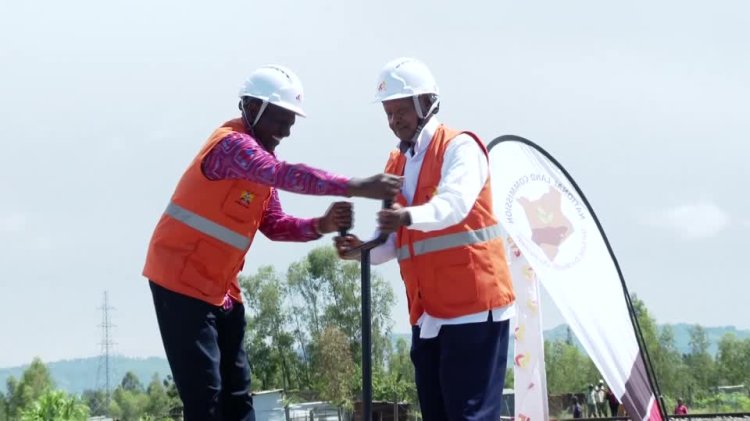
Kenya and Uganda launched construction of the long-delayed western section of the Standard Gauge Railway (SGR), restarting work on the 107‑kilometre Kisumu–Malaba stretch that will complete a continuous rail corridor from Mombasa to the Kenya–Uganda border. Presidents William Ruto and Yoweri Museveni jointly inaugurated the project in Kisumu, reviving a flagship infrastructure link after a six‑year suspension caused by financing constraints.
The extension is intended to connect with Uganda’s planned Malaba–Kampala line, creating a direct rail artery to move freight between the Indian Ocean port of Mombasa and landlocked East and Central African markets, cutting road congestion and lowering transport costs. The western SGR construction halted in 2019 after China, which financed earlier phases, declined additional sovereign loans amid concerns over Kenya’s rising debt. Officials say renewed financing arrangements and negotiations have enabled the restart, with Chinese firms again playing a central role in engineering and construction.
The revival is presented as a boost for regional trade, job creation and infrastructure integration, but it has prompted mixed reactions: proponents highlight economic benefits and improved logistics; critics warn of renewed debt exposure, question cost‑effectiveness and call for greater transparency in financing and contracts. Kenyan authorities assert lessons from earlier phases will inform stricter cost management and improved returns.
Implementation will proceed in phases, with timelines and full financing details pending; success will hinge on generating sufficient freight volumes and regional coordination—particularly Uganda’s ability to complete connecting links—to make the corridor commercially viable. The project’s restart also underscores continuing Nairobi–Beijing cooperation on large‑scale infrastructure, even as debt sustainability concerns remain central to public debate and donor scrutiny across the region.