

Ebola outbreak strains Congo health system
Emergency teams battle rising cases amid shortages and regional spread
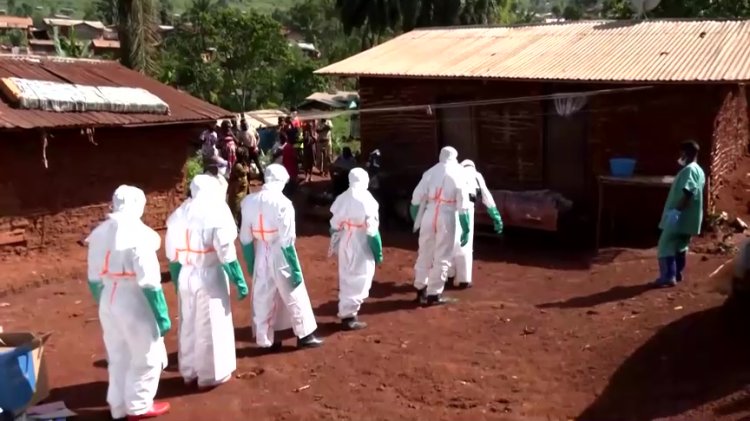
Health authorities are responding to a growing Ebola outbreak concentrated in northeastern areas, including parts of Ituri Province, where emergency teams have been deployed to contain transmission. Local officials report roughly 246 suspected cases and about 80 deaths in recent tallies that combine confirmed infections and cases under investigation; broader regional figures from Africa CDC and national sources show higher counts in some areas. Rapid-response teams, national medical services and international partners are conducting contact tracing, isolating suspected patients, setting up treatment centres, and running targeted vaccination campaigns and clinical surveillance in high‑risk communities to interrupt chains of transmission.
The outbreak has stretched fragile health systems in eastern Democratic Republic of Congo, where limited access to hospitals, medical supplies and safe transport complicates patient care. Authorities have introduced movement restrictions and screening along key routes linking rural communities to larger towns, and have urged communities to report symptoms early and abandon traditional burial practices that can amplify spread.
WHO Director‑General Tedros Adhanom Ghebreyesus traveled to Kinshasa to coordinate the response, describing the situation as “very complex” and highlighting how conflict, displacement, food shortages and community mistrust are hampering containment; he urged a ceasefire and additional international funding.
WHO and other international agencies are providing laboratory, logistical and technical support while accelerating assessment of experimental therapies and vaccine candidates—options that experts warn may take months before widespread availability.
Funding shortfalls and shifting pledges are undermining the scale-up of response efforts, Africa CDC officials said, noting a rapid reduction in committed support in recent days and calling for more predictable resources. The outbreak involves the Bundibugyo strain and has affected both the DRC and neighbouring Uganda; WHO has declared a public health emergency of international concern. Some countries have implemented travel‑related measures, drawing criticism from African health leaders who warn that restrictions and insufficient funding risk exacerbating the crisis. Authorities say the situation is serious but currently focused on localized hotspots, and they emphasize that intensified community engagement, secure access for health workers, and sustained international financing are critical to prevent wider regional spread.