

U.S.-Iran draft 60-day ceasefire deal
Proposed MOU links Hormuz access, sanctions relief and nuclear talks pending approval
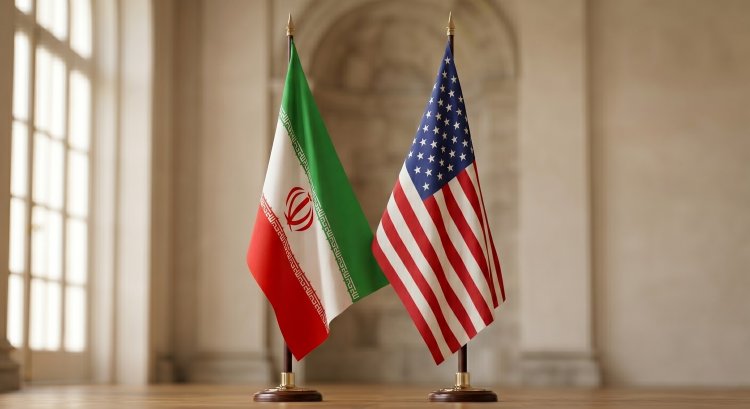
According to Axios, U.S. and Iranian negotiators have agreed on a 60‑day memorandum of understanding intended to extend a ceasefire and open formal talks on Iran’s nuclear program, but the deal awaits final approval from President Trump and has not been confirmed by Tehran, U.S. officials and a regional mediator said. The MOU is framed as a short window to bring both sides to the table to negotiate core issues including disposal of Iran’s highly enriched uranium and limits on enrichment, while the United States would discuss sanctions relief and release of frozen funds as part of the talks.
Under the draft terms, commercial shipping through the Strait of Hormuz would be declared “unrestricted,” with Iran required to remove naval mines within 30 days and the U.S. naval blockade to be lifted proportionally as commercial traffic resumes. Some sanctions waivers to permit Iranian oil sales and a mechanism to deliver humanitarian goods to Iran are also included. Officials said the MOU contains a commitment by Iran not to pursue a nuclear weapon and signals an intention to promote broader regional peace, including an expected statement aiming to end the war between Israel and Hezbollah in Lebanon.
U.S. negotiators reported that Iran gave verbal assurances during talks and that Moscow and other mediators helped secure approvals, but senior leadership on both sides still needed to sign off; U.S. teams briefed the president, who has asked for time to consider the package. Despite the tentative pact, skirmishes were reported in the Strait of Hormuz in the hours around the negotiations, underscoring the fragility of the ceasefire.
Administration officials emphasized there are no secret side deals and said any sanctions relief would be tied to verifiable Iranian concessions, cautioning that if Iran fails to deliver on nuclear commitments, Washington would retain economic and military options. The MOU is presented as a significant diplomatic opening that could unshackle Iran’s economy if negotiations succeed, but its impact depends on final approvals in Washington and Tehran and on whether negotiators can convert the 60‑day framework into enforceable agreements.