

Maduro court case sparks protests in New York
Dispute over legal funding highlights tensions between sanctions and fair trial rights
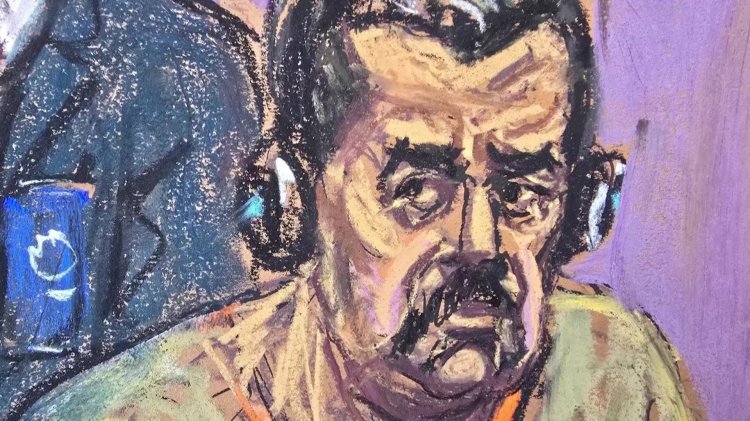
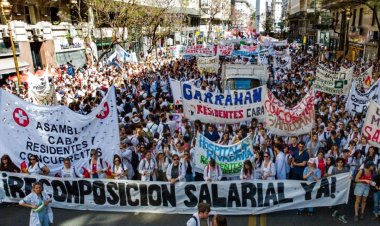
Supporters and opponents of Nicolás Maduro demonstrated outside a Manhattan federal courthouse as the ousted Venezuelan president and his wife, Cilia Flores, appeared for a hearing in their New York criminal case. Maduro and Flores, who were captured in a U.S. raid in Caracas and brought to the United States more than two months ago, have pleaded not guilty to charges including narcoterrorism conspiracy and drug trafficking and remain jailed in Brooklyn pending trial.
At issue in the hearing was a motion seeking permission for Maduro to use Venezuelan government funds to pay for his chosen legal defense. Defense attorneys argued that U.S. sanctions and the blocking of Venezuelan assets have prevented Maduro from accessing state funds, jeopardizing his right to retain counsel of his choice and raising fair-trial concerns. Prosecutors countered that the United States has not recognized Maduro as Venezuela’s legitimate president since 2019 and therefore should not be expected to allow Venezuelan public money to be used on his behalf; they noted that public defenders can be provided if the defendants cannot afford private counsel.
The presiding judge questioned aspects of the government’s rationale for barring use of Venezuelan funds but declined to dismiss the case on that basis and made no immediate ruling on whether the funds could be used, citing uncertainty about the status of the assets and whether Maduro and Flores possess other resources. Defense lawyers warned they might withdraw if funding is not resolved, potentially complicating proceedings.
The hearing drew heightened attention after remarks by former President Donald Trump, who said additional cases would be brought against Maduro without providing details. U.S. prosecutors have indicated the possibility of further charges.
The dispute over funding has broader implications for how sanctions intersect with criminal defendants’ rights in U.S. courts and could shape the procedural posture of the case as hearings continue. Court officials said the matter of legal fees and asset access will be revisited in future proceedings while demonstrations and diplomatic fallout underscore the case’s political sensitivity.