Malawi launches emergency polio drive
Health teams rush vaccines after case detected
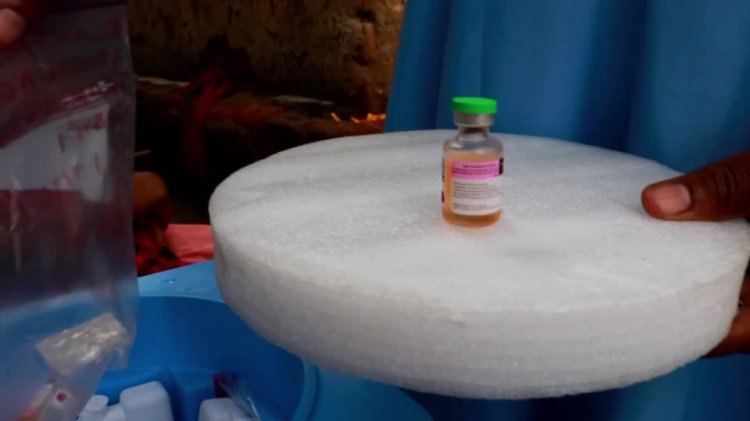
Health workers in Blantyre have launched an emergency response after detection of a new polio case, mobilising community outreach, door‑to‑door education and rapid vaccination to prevent further spread. Frontline workers, including Health Surveillance Assistants, are visiting households with megaphones, posters and cold‑chain boxes to urge parents to vaccinate children and to transport and administer doses. Authorities stress that missed vaccine doses leave children at high risk of paralysis from the highly infectious virus.
The Ministry of Health, UNICEF and WHO attended the campaign launch, and Malawi has received 1.7 million doses of the novel oral polio vaccine type 2 (nOPV2) to support the response. Officials say surveillance systems detected the virus and triggered immediate containment measures; environmental health officers warned that poor sanitation and the city’s dense population could accelerate transmission.
Health teams report improving community uptake compared with past campaigns, attributing gains to intensified civic education, though cultural and religious beliefs still deter some families from seeking care. To increase access, mobile vaccination units are operating and temporary immunisation sites have been set up at schools, churches and community centres. Religious leaders and local chiefs are being engaged to counter misinformation and encourage participation.
Beyond vaccination, authorities are strengthening surveillance through environmental sampling of wastewater and enhanced monitoring at borders to detect possible spread early. International partners have pledged logistical and technical support to bolster Malawi’s response and help contain the outbreak regionally.
Officials emphasise that rapid, high coverage vaccination can contain polio; they are calling on families to ensure all eligible children receive the recommended doses. The intensified campaign will continue in the coming days as teams work to halt transmission and protect vulnerable communities.