Iran tightens control over Hormuz transit
Tehran warns of retaliation and stricter passage rules
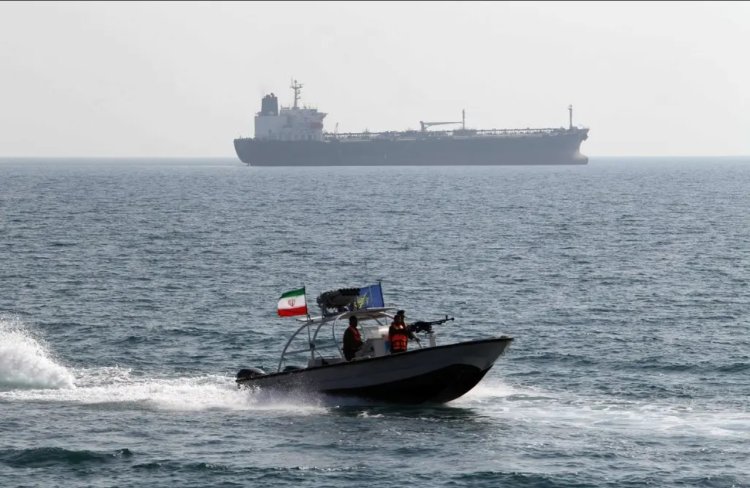
Iran’s Defense Council declared that non-hostile vessels may transit the Strait of Hormuz only after coordination with Iranian authorities, accusing the United States and Israel of aggression. The council warned that any attack on Iran’s power plants, energy infrastructure, coasts or islands would be met with decisive retaliation, a measure it said would be lawful and could freeze shipping in the Persian Gulf similar to current conditions in the Strait of Hormuz.
The statement cited past actions during 1980s tensions, claiming Iranian forces destroyed more than 100 minesweepers, and placed responsibility for any disruption squarely on the U.S. and Israel. It asserted nationwide unity behind the new Leader of the Islamic Revolution, Ayatollah Seyed Mojtaba Khamenei, and pledged the armed forces’ resolve.
The council claimed Iran struck the Dimona nuclear complex and targeted US interests in retaliation for attacks on the Natanz nuclear facility and energy infrastructure in Asalouyeh. It also alleged an unprovoked US-Israeli offensive on February 28 that assassinated Ayatollah Seyed Ali Khamenei and several senior commanders, prompting Iran’s missile and drone strikes on US and Israeli positions. The developments raise significant military and diplomatic concerns, with heightened risks to maritime security and regional stability.