Nigeria volunteers sustain HIV care
Outreach helps patients amid U.S. aid cuts
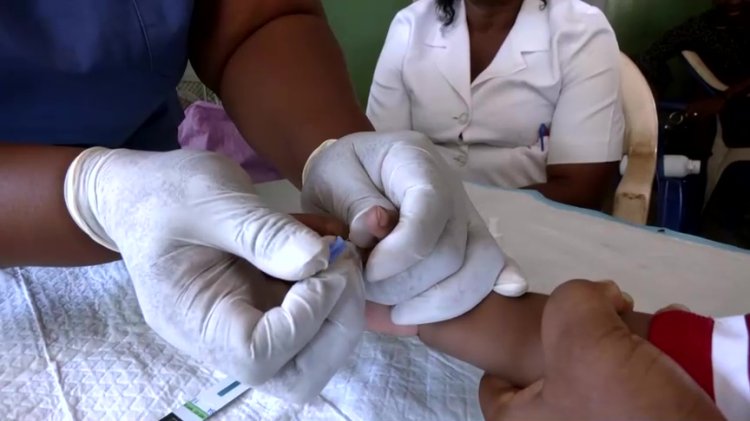
U.S. aid freezes prompted Nigerian volunteers to launch door-to-door outreach to keep people living with HIV on treatment after disruptions to funding for critical services. Community health workers and “HIV champions” mobilized by groups including the African Community Advisory Board (AFROCAB) have been delivering antiretroviral drugs, monitoring patients, and providing adherence counseling to prevent missed doses that can drive drug resistance and worse health outcomes.
The push followed a 90-day halt to U.S. foreign aid in January 2025 under President Donald Trump, which interrupted support from PEPFAR—a program that covered up to 90% of HIV treatment costs in Nigeria. The pause caused widespread shortages and clinic closures: in Benue state’s Makurdi, all ten treatment centers shut for a month, and patients accustomed to six-month supplies were reduced to one- or two-week allocations or lost access entirely. Volunteers used patient registers, phones and neighborhood visits to counter misinformation, urge clinic attendance, and reconnect patients to care.
Firsthand accounts highlight the scale and human impact: volunteer Josephine Angev described persuading patients to resume medications by explaining the risks of interruption; coordinator Evelyn Terver recounted widespread anxiety over how patients would afford treatment; Dinah Adaga noted volunteers’ success contacting patients and directing them to reopened services. Between June and December 2025, these efforts helped reconnect more than 1,000 people to treatment in the region, including 95 children under five.
Benue, with over 200,000 people on treatment, is a key battleground in Nigeria’s HIV response and ranks second nationally after Rivers State. Nationwide, nearly two million people live with HIV, about 1.7 million of whom were on treatment at the end of 2025, according to UNAIDS. Health officials warn volunteer actions, while vital, cannot substitute for sustained international financing and structured programs. The government says it is seeking alternative funding and bolstering domestic capacity, and officials have called for renewed international cooperation to prevent backsliding on gains in HIV treatment and prevention. The volunteer-led outreach underscores how fluctuations in foreign aid can destabilize health systems and highlights the ongoing vulnerability of aid-dependent programs.