

Protests intensify in Madagascar capital
Youth-led rallies demand Rajoelina’s resignation and basic services

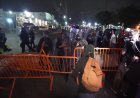
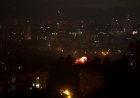
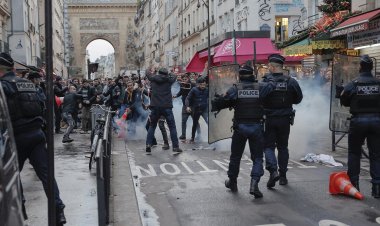
At least 1,000 anti-government demonstrators marched through Antananarivo in a renewed wave of protests led by the youth coalition Gen Z Madagascar, pressing President Andry Rajoelina to resign and demanding reliable water and electricity after prolonged outages. Security forces responded with tear gas, stun grenades, rubber bullets and armored vehicles as crowds gathered near Lake Anosy and moved toward the Ambohijatovo Gardens, a central site nicknamed Democracy Square. Reporters and videos from the scene showed mostly young protesters—some wearing gas masks or diving masks—running through smoke, shielding themselves with makeshift barriers and umbrellas, while medical volunteers treated dozens for respiratory distress, eye irritation and superficial wounds.
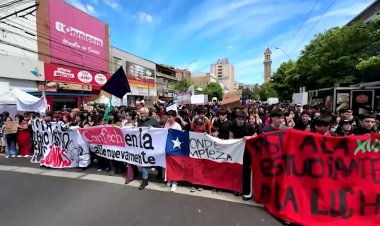
The unrest, which began on Sept. 25 over repeated utility cuts, quickly broadened into a wider antigovernment movement. Protesters say longstanding failures to deliver basic services and deep-seated economic hardship have left many Malagasy, despite the country’s natural wealth, living in persistent poverty. Demonstrators in the capital and other cities, including a large march in the southern coastal city of Toliara, voiced frustration that citizens’ lives have not meaningfully improved since independence.
Rajoelina initially dismissed his government, then appointed a military officer as prime minister and filled key security portfolios, saying the country “no longer needs disturbances” and pledging to change the nation’s fortunes within a year. He has accused opponents of seeking to destroy the country. More than 200 civil society organizations expressed alarm at what they described as a growing “military drift” in governance and urged a genuine search for appeasement rather than further repression.
The human cost of the unrest has been disputed. The United Nations said at least 22 people were killed in the early days of protests, a figure the president contested, asserting 12 confirmed deaths were looters and vandals. The U.N. human rights office reported that some victims were protesters or bystanders killed by security forces, while others died amid violence linked to criminal gangs and looting. Lawyers for demonstrators said 28 protesters had been referred to the prosecutor’s office for formal charges, with five held in pretrial detention at an overcrowded facility criticized by Amnesty International.