Russia launches major nuclear drills
Exercises mobilize strategic forces amid heightened tensions
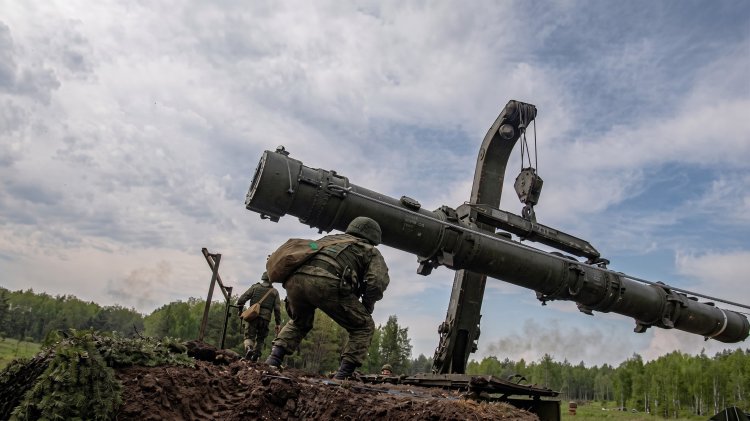
Russian forces have launched a large-scale, three-day exercise focused on nuclear readiness, mobilizing tens of thousands of personnel and a wide array of strategic systems as officials frame the drills as rehearsal of deterrence and command-and-control procedures. Defence ministry briefings said the maneuvers involve roughly 64,000 troops, more than 7,800 pieces of equipment, over 200 missile launchers, 140+ aircraft, 73 surface warships and 13 submarines — including eight armed with intercontinental ballistic missiles — plus long-range aviation and Strategic Missile Forces units. Ballistic and cruise-missile practice launches at domestic training ranges are included as part of practical training for preparing and, if ordered, using nuclear forces under a perceived threat of aggression.
The drills rehearse joint operations with Belarus, where Russia stations nuclear-capable systems including the newer Oreshnik intermediate-range missile, and emphasize testing communications, command-and-control links and rapid decision-making across dispersed formations. Officials described objectives as improving the skills of command and operational personnel, verifying readiness of military command bodies and support units, and assessing forces’ ability to carry out assigned deterrence tasks. Military statements stressed the exercises were planned routine activity to ensure force reliability.
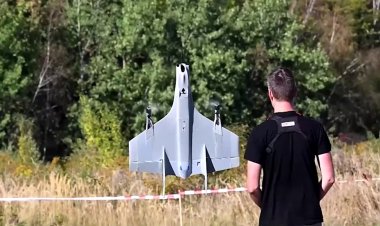
Analysts and international observers note the timing and scale of the drills amid a surge in Ukrainian drone attacks, including recent strikes targeting Moscow’s suburbs, which Kremlin officials cite as part of a broader security challenge tied to the ongoing war in Ukraine. Moscow has repeatedly highlighted its nuclear arsenal since deploying forces to Ukraine in 2022, and a 2024 revision of its nuclear doctrine stated that a conventional attack on Russia supported by a nuclear power may be treated as a joint attack—language seen as lowering the threshold for nuclear employment.
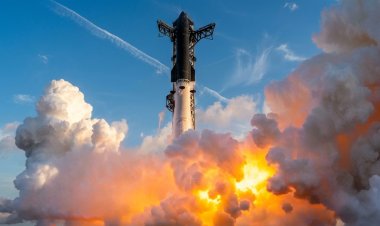
Moscow’s recent Sarmat ICBM tests and public warnings about European facilities allegedly involved in drone production have fed a narrative among hawks urging stronger responses to attacks on Russian territory. Western officials and NATO members are expected to monitor the exercises closely, given the sensitive signaling inherent in nuclear drills; observers have urged transparency and restraint, warning that intensified nuclear signaling risks escalating global insecurity. Russian commanders plan to conclude the operation with readiness assessments and reviews of command-system performance.