Airstrikes hit ISIS-linked camps in Nigeria
U.S.-backed drone strikes target foreign fighters in northwest region

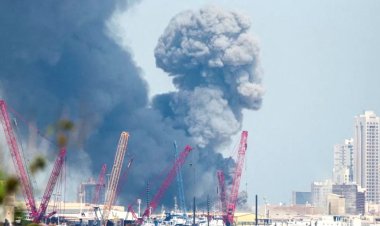
U.S.-backed airstrikes struck Islamic State-linked camps in northwest Nigeria, the Nigerian government said, targeting foreign fighters believed to have infiltrated from the Sahel. Two sites in Sokoto’s Bauni forest were hit with 16 GPS-guided precision munitions delivered by MQ-9 Reaper drones launched from maritime platforms in the Gulf of Guinea, according to Nigeria’s information ministry. The operation, approved by President Bola Tinubu, was based on intelligence that the camps were being used by foreign ISIS elements working with local affiliates to plan large-scale attacks inside Nigeria.
Nigerian officials said the strikes aimed to disrupt the militants’ ability to train, coordinate and regroup after losing most of their territory as a self-declared caliphate, with the group now operating through sleeper cells in remote border and desert areas. Military statements described the locations hit as used for training, logistics and weapons storage; several ISIS facilities were reported destroyed. Authorities stressed that aircraft and precision munitions were used to minimize collateral damage and said assessments were under way to determine the strikes’ full impact. No immediate details on militant or civilian casualties were released by the military, which said operations against ISIS would continue as needed to deny the group safe havens.
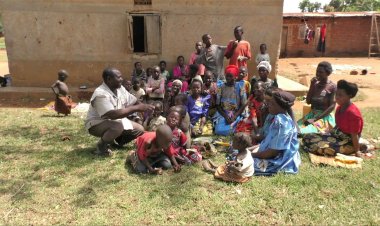
Residents in Offa, Kwara State, reported being rattled by a late-night explosion that damaged homes, though the government reported no civilian casualties. Eyewitness accounts from other nearby communities described windows shattered, houses rattled and a red glow in the sky as explosions lit the night, prompting panic among villagers and calls for clearer information from authorities.
U.S. officials said the strikes were conducted in cooperation with regional partners and local forces, with U.S. support focused on intelligence, air power and training while local forces lead on the ground. The campaign’s objective, they said, is to maintain sustained pressure on ISIS networks and prevent the group from reestablishing territorial control or exploiting governance gaps to expand. Analysts warned that ISIS has proved resilient in the region, exploiting instability and weak state presence to maintain a foothold; they said that without continued counterterrorism efforts and political stabilization, militants could take advantage of security vacuums.
The operation follows months of intelligence gathering and diplomatic coordination between Nigerian authorities and their U.S. counterparts.