U.S. deploys carrier group to Caribbean waters
Washington cites anti-narcotics goals as Caracas warns of escalation
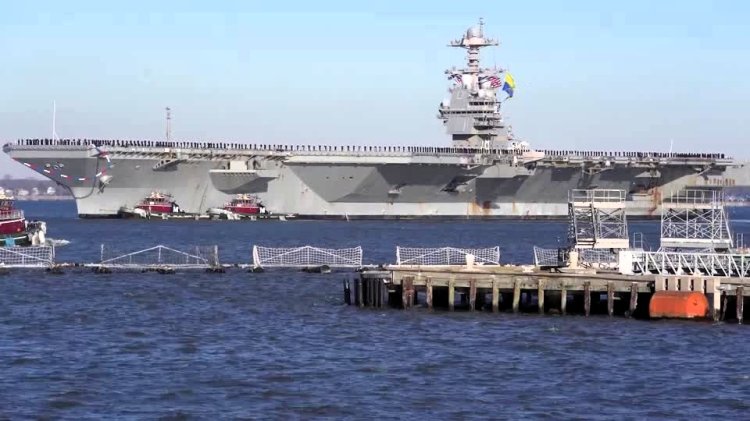
The United States has sent the USS Gerald R. Ford carrier strike group to waters near Latin America as part of a major military buildup in the Caribbean, a deployment officials say is aimed at strengthening counter‑narcotics capabilities but which marks a sharp escalation of U.S. force projection in the region. The carrier, the U.S. Navy’s newest and largest vessel with more than 5,000 personnel aboard, is joining a tasking that already includes multiple warships, a nuclear submarine and F‑35 aircraft. Pentagon officials said the enhanced presence will “bolster U.S. capacity to detect, monitor and disrupt illicit actors and activities” in the U.S. Southern Command area of responsibility, though timing and specific operational details were not disclosed.
The deployment follows at least ten recent U.S. strikes on vessels accused of drug trafficking in Caribbean waters, actions the Pentagon says have killed roughly 40 people; some of those killed were reported by U.S. authorities to be Venezuelan. U.S. leaders have tied the campaign to efforts to disrupt trafficking networks that allegedly operate from bases near Venezuela. Washington in recent months has intensified pressure on the Venezuelan leadership, including a doubled reward for information leading to the arrest of President Nicolás Maduro on alleged drug‑linked charges — accusations Maduro denies.
Caracas denounced the build‑up as aggressive and warned of repercussions, with Maduro characterizing U.S. moves as attempts to unseat his government and threatening mobilization of civilian militias should U.S. forces approach Venezuelan shores. Tensions have also flared with regional partners; U.S. rhetoric has included sharp personal attacks on Colombia’s president, provoking diplomatic strain.
Analysts warn the carrier deployment goes beyond traditional counter‑narcotics operations and serves as a geopolitical signal to Caracas and other governments in the hemisphere, raising concerns about potential miscalculation or escalation. Observers note legal and operational questions about using high‑end military assets against non‑state trafficking networks and caution that a sustained military posture could deepen regional unease.
U.S. officials frame the mission as focused on protecting homeland security by disrupting illicit maritime activity, while critics and regional actors view the move as a muscular demonstration of power that risks destabilizing relations across Latin America. Arrival of the carrier group is expected in the coming weeks, with lingering ambiguity over rules of engagement and the precise scope of operations fueling calls for clarity from Congress and regional partners.