

Cartel violence grips Mexico’s Culiacan
Residents say killings persist despite heavy security deployments
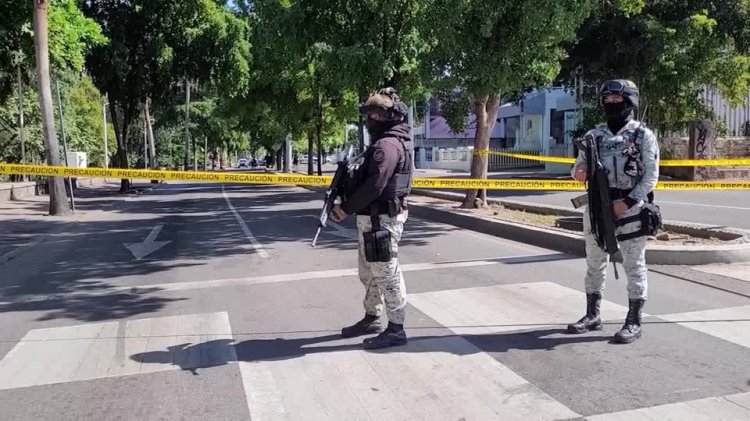
Bodies of executed victims and missing-person posters have become a frequent sight across Culiacán as violence linked to drug cartels persists despite reinforced federal and state deployments and a new government strategy focused on de‑escalation and intelligence rather than direct military confrontation, officials and residents say.
Residents report daily executions, disappearances and widespread fear: an average of four to five homicides and roughly 18 vehicle thefts occur each day in the city, according to a local civic leader. Nine out of ten residents say they feel unsafe, with businesses closing early, families limiting movement and public life shrinking amid repeated shootings and visible displays of violence. Armed groups are said to operate openly—setting up roadblocks, chasing rivals and leaving bodies in public—while journalists and human rights groups warn that underreporting and fear of retaliation obscure the true toll.
Authorities point to arrests, seizures and heightened patrols as signs of action, and the federal strategy aims to avoid actions that could spark wider clashes. But residents and analysts question whether that approach will reduce violence in Culiacán, saying security forces often arrive only after incidents and fail to prevent recurring attacks. The government traces the recent escalation in Sinaloa’s drug war to the 2024 abduction of a cartel leader, yet conflict and factional fighting have continued for more than a year.
The humanitarian and social impacts are acute: victims’ families receive limited support, psychological strain is widespread, and some households have relocated or sent relatives away. Local civic groups and community leaders call for greater protection of civilians, transparent communication, stronger local policing, functioning justice mechanisms and social programs to address underlying drivers of crime. Analysts caution that troop deployments alone are unlikely to deliver lasting safety without reforms that restore public trust and dismantle impunity.
As security operations continue, residents say the visible presence of forces has not halted killings or restored normalcy, leaving Culiacán’s streets marked by violence and uncertainty and raising doubts about the effectiveness of current tactics in curbing organized-crime violence across Sinaloa.