Chile elects conservative president
José Antonio Kast wins as voters swing right
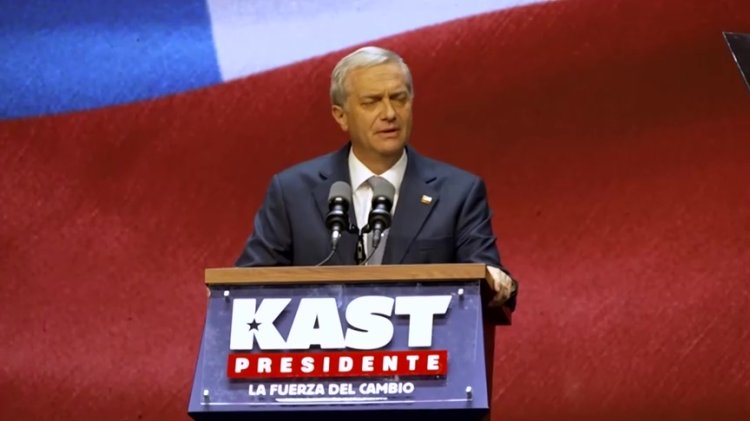
Chileans have shifted decisively to the right by electing conservative candidate José Antonio Kast as president, marking a sharp political turn in a country that in recent years had been associated with social protests and progressive reform efforts. Kast, a former lawmaker known for his hardline positions on security, migration and economic policy, secured victory after a campaign centered on restoring order, boosting investment and rolling back what he described as excessive state intervention. His win reflects widespread voter frustration with crime, inflation and economic uncertainty that intensified under previous administrations.
Supporters celebrated Kast’s victory as a mandate for tougher law enforcement and a return to pro-business policies, arguing that years of political polarization and stalled reforms had undermined stability. During the campaign, Kast promised to strengthen police powers, crack down on organized crime and illegal immigration, and promote economic growth through tax incentives and deregulation. He also pledged to protect private property and oppose sweeping constitutional changes that emerged from Chile’s recent reform process.
The result represents a setback for leftist and center-left forces that had dominated Chilean politics following mass protests in 2019, which demanded greater social equality and led to efforts to rewrite the constitution. Many voters who initially supported those changes have since grown disillusioned, citing rising insecurity and concerns that ambitious reforms could harm economic growth. Analysts said Kast successfully tapped into those anxieties, presenting himself as a figure of discipline and predictability in a volatile political climate.
Critics and human rights groups have expressed concern over Kast’s rhetoric, particularly his past praise for Chile’s former military ruler Augusto Pinochet and his positions on civil liberties. They warned that his presidency could strain relations with social movements and minority groups, and called for strong institutional checks to safeguard democratic norms. Kast has sought to reassure skeptics, saying he will govern within the constitution and respect democratic institutions while prioritizing security and economic recovery.
International reaction to the election was cautious, with markets responding positively to the prospect of more orthodox economic policies, while regional leaders emphasized the importance of dialogue and stability. Kast is set to take office amid high expectations and deep divisions, facing the challenge of uniting a polarized country while delivering on promises that drove Chile’s shift to the right at the ballot box.