Guinea-Bissau votes on expanded presidential powers
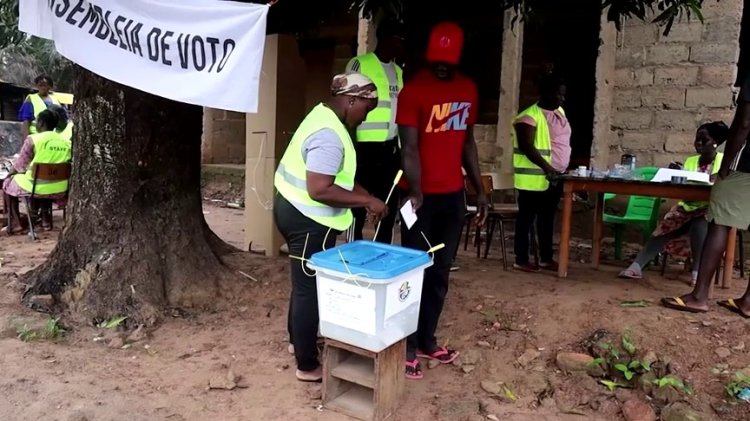
Voters in Guinea-Bissau participated in a constitutional referendum recently, deciding on proposals to expand presidential powers. The military junta, which seized control last November following disputed elections, organized the vote. The changes aim to transform Guinea-Bissau's semi-presidential system into a fully presidential one, concentrating more authority in the head of state.Under the new constitution, the president would gain authority to appoint and dismiss the prime minister and cabinet, chair the Council of Ministers, and dissolve parliament during political crisis. The proposals also include reducing parliamentary seats from 102 to 65 and cutting electoral constituencies from 29 to 12. Military authorities contend these reforms are necessary to stabilize institutions and address political instability, with five coups since independence in 1974.The referendum saw low turnout, due to a boycott by opposition parties and civil society groups. Critics argue the draft was prepared by the junta without broad consultation with political parties, civil society, or traditional and religious leaders. They warned the changes would weaken the prime minister, government, and legislature, undermining popular will and restricting public freedoms. Concerns were raised about the legitimacy of holding such a vote under military rule, with analysts suggesting the process risks entrenching power rather than fostering democratic governance. The referendum is part of a transitional process outlined by the junta, leading to general elections later this year to restore civilian rule.