Iran rejects U.S. claim that Hormuz reopened
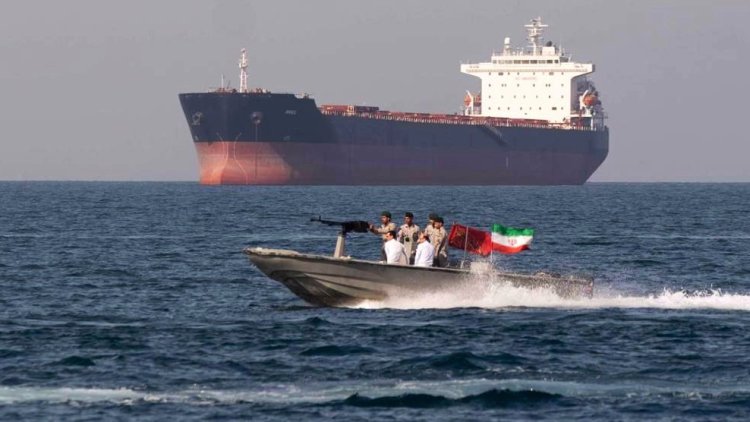
Iran has rejected U.S. claims that the Strait of Hormuz has reopened, saying the strategic waterway remains closed until Tehran’s conditions are met. Iranian officials argue that Washington has no authority over the strait and that decisions about transit must be made by the countries of the region. They say repeated U.S. statements cannot change the reality on the ground.
According to Tehran, the closure was triggered by U.S.-Israeli aggression and will continue until there is a broader political settlement. Iran says reopening depends on an end to attacks against it and its allies, the lifting of sanctions and naval restrictions, the return of frozen assets, and compensation for war damage. Officials also blame U.S. interference for the collapse of earlier transit arrangements.
The dispute has also taken on an environmental dimension. Iranian authorities say pollution near Qeshm Island is evidence of the wider damage caused by military tension and maritime activity in the Persian Gulf and the Sea of Oman. They argue that any future framework for the strait should include environmental cleanup and accountability, not just rules for shipping.
Iran and Oman are reportedly working on a regional mechanism for commercial traffic, but Tehran describes that effort as a local solution built on regional cooperation rather than pressure from Washington. For now, Iranian officials maintain that the Strait of Hormuz is still blocked and that normal passage will not resume until their demands are accepted.
The United States and Israel launched wars against the Islamic Republic on June 13 last year and February 28, which lasted 12 and 40 days, respectively.