Lagos demolitions hit Makoko community
Residents decry evictions as Lagos presses redevelopment plan
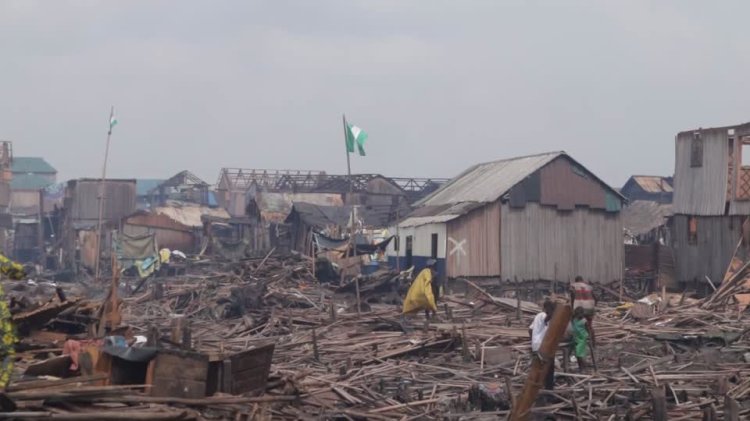
Bulldozers and security forces have moved into Makoko, the densely populated stilt-house community on Lagos’s lagoon, initiating demolitions that residents say began with little or no notice. Families scrambled to salvage belongings as wooden homes were torn down, heightening fear and uncertainty across a settlement long known for its narrow walkways, fishing economy and resilience in the face of poverty. State authorities present the operation as part of a coastal redevelopment plan intended to improve urban planning, bolster tourism and attract investment, arguing that portions of Makoko are unsafe, ecologically damaging and incompatible with long-term waterfront strategies. Officials say the demolitions are lawful and necessary steps toward modernizing the shoreline.
Community leaders, activists and human rights groups reject that justification, alleging the demolitions serve to clear land for lucrative real estate and commercial projects rather than protect residents. They contend residents received inadequate notice and that the state has failed to offer meaningful alternative housing or compensation, putting thousands at risk of homelessness. The settlement’s residents — many of whom derive livelihoods from fishing and informal trades on the lagoon — face sudden disruption not just of homes but of a communal way of life built over generations.
Makoko’s plight has previously drawn national and international attention: earlier attempts to remove structures prompted court challenges and criticism from rights organizations, with rulings underscoring that forced evictions without resettlement breach residents’ rights. Human rights advocates have called on the government to suspend demolitions and enter dialogue with the community to design inclusive development measures that do not displace the urban poor. They warn that continuing the operation without robust protections and resettlement plans risks deepening social tensions, aggravating inequality and eroding public trust in authorities.
As demolition continues in parts of the community, the immediate picture is one of displacement, anxiety and loss. Residents and observers alike question whether redevelopment plans can reconcile the city’s economic ambitions with obligations to protect vulnerable populations who have long inhabited Lagos’s waterfront. The future of Makoko — its homes, livelihoods and distinctive waterside culture — remains uncertain as the state presses ahead with its coastal reclamation efforts.