Samsung union plans major strike
Walkout threat raises fears of chip supply disruptions
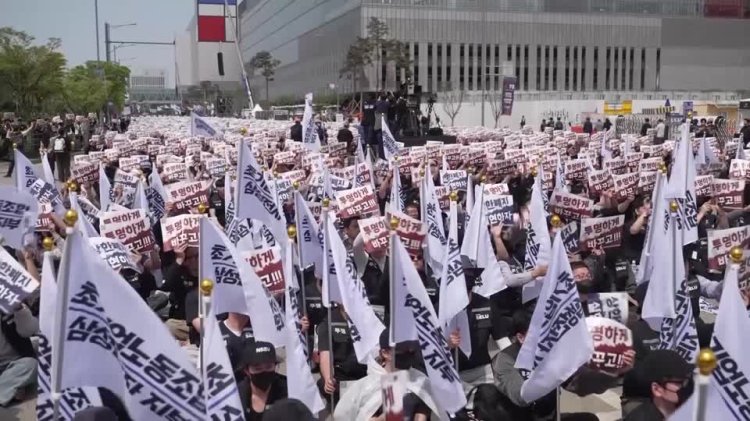
Samsung Electronics’ labour union said it will press ahead with a planned 18‑day strike from May 21 despite the company’s offer to reopen pay talks without conditions, underscoring a deepening dispute at the world’s largest memory‑chip maker. Government‑mediated negotiations collapsed this week after talks on pay and bonus schemes failed to bridge a wide gap between management and workers; the union says it will not resume discussions before the strike but is willing to meet after June 7 if a “proper proposal” is tabled.
Union demands include lifting a cap on bonus pay (currently 50% of base salary), allocating 15% of annual operating profit to bonuses, and clearer, fairer bonus‑calculation rules. Leaders warn more than 50,000 workers could walk out, potentially disrupting production, delaying customer shipments and adding further upward pressure on chip prices. Samsung executives apologised to the public and government for the dispute, pledged “sincere dialogue,” and said company representatives were traveling to meet union leaders at the Pyeongtaek campus.
The stalemate prompted an emergency government meeting and intervention by senior officials urging continued talks to avert industrial action that could ripple through South Korea’s export‑driven economy. Markets reacted sharply: Samsung shares initially tumbled as much as 6% before recovering modestly, while rival SK Hynix gained amid investor expectations it could benefit from any Samsung production disruption.
Analysts warn the timing is precarious for the semiconductor sector, given strong global demand driven by artificial intelligence and data‑center investment; production interruptions at Samsung could have significant supply‑chain and pricing implications. The dispute highlights mounting labour tensions in major tech firms, where workers argue productivity gains and soaring profits have not translated into commensurate pay increases or transparency in compensation. The government and industry will be watching whether management’s renewed outreach can produce a concession sufficient to forestall the strike and stabilise both production and markets.