Honduras hit by deadly shootings and ambush
Ranch attack and police clash leave at least 16 dead
At least 10 workers were killed in a mass shooting at a ranch in northern Honduras, and six police officers died in a separate clash near the Guatemalan border, authorities said, in incidents that underscore rising violence in parts of the country. Honduras’s security minister warned the death toll from the ranch attack could be higher after bodies were reportedly removed before police arrived; no arrests had been announced. Officials say strong indications point to an entrenched criminal structure in the Trujillo area linked to drug trafficking, fruit theft and the invasion of palm-producing farms, and that accomplices or community members likely moved victims’ bodies prior to law enforcement access.
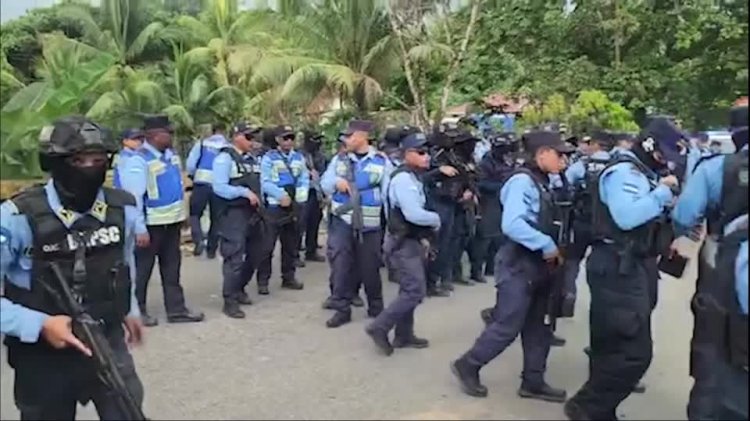
The separate incident in the Corinto area involved an exchange of gunfire in which six officers were killed; authorities allege a criminal group shielded a local cartel leader and prevented nearby units from reinforcing the officers engaged in the operation. National Police footage showed security deployments in the region as investigators sought to establish the circumstances of the ambushes and identify perpetrators. Forensic teams and intelligence units are reportedly active at multiple crime scenes while probes continue.
Government officials condemned both attacks and pledged intensified operations to identify and prosecute those responsible, expanding checkpoints, patrols and raids in affected communities. The killings have prompted heightened security measures and sharpened concerns over the vulnerability of law enforcement personnel conducting anti-crime missions. Residents described fear and uncertainty as heavily armed police and military units moved through neighborhoods to restore order.
Human rights groups and analysts cautioned that entrenched impunity, weak judicial capacity and the influence of organized criminal networks—especially where drug trafficking and land-related criminality intersect—continue to fuel cycles of violence. The twin incidents are likely to intensify pressure on authorities to dismantle criminal structures that operate with local reach and to reassure communities beset by insecurity while investigations seek to clarify the full scope and responsibility for the attacks.