

Mexico searchers find bone fragments
Families demand accountability and faster forensic work
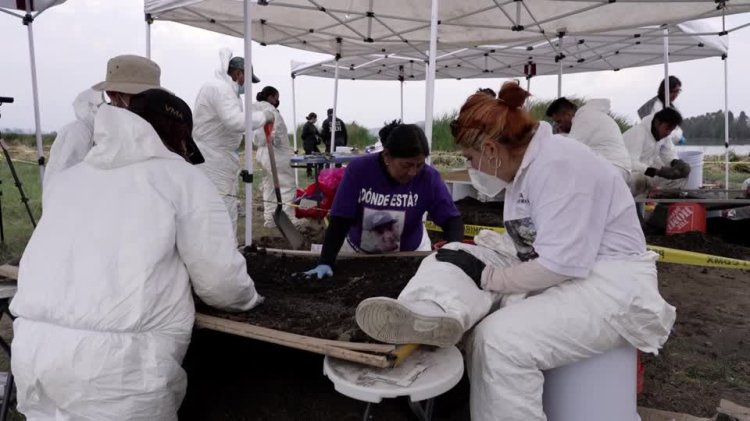
Search groups and relatives of missing people reported finding 1,076 bone fragments in the south of Mexico City during independent searches, saying the remains were recovered between April 7 and April 16 and alleging authorities mishandled the site and delayed proper processing. Forensic teams from the Mexico City prosecutor’s office are now examining the fragments to determine whether they are human and to begin identification through DNA testing, while families protested the perceived opacity and negligence of official responses.
Relatives said the discovery intensified long-standing distrust in institutions after years of disappearances linked to expanding cartel violence; Mexico has more than 130,000 missing people. The findings coincide with an upcoming visit by the U.N. High Commissioner for Human Rights, Volker Türk, and follow a recent request from the U.N. Committee on Enforced Disappearances for the U.N. Secretary‑General to refer Mexico’s disappearance crisis to the General Assembly for consideration of measures to help prevent, investigate and eradicate enforced disappearances.
Search collectives—many composed of relatives who conduct fieldwork to locate clandestine graves—called for transparent, expedited forensic work and accountability, accusing authorities of attempting to leave remains unprocessed. Officials have begun securing the area and undertaking forensic procedures, but families and human rights groups demand clearer communication, faster identification, and return of remains where possible. The episode underscores the scale of Mexico’s unresolved disappearance crisis and heightens pressure on authorities ahead of international scrutiny; investigations and forensic analyses are ongoing and further details are expected as testing progresses.