Typhoon Kalmaegi kills five in central Vietnam
Storm uproots trees, cuts power and hampers relief efforts

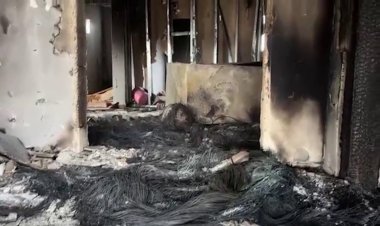
At least five people have died in central Vietnam after Typhoon Kalmaegi struck the coast, uprooting trees, damaging homes and cutting power across large areas. The storm made landfall in the highland province of Gia Lai, where residents gathered around functioning generators and public outlets to charge mobile phones and queued at a roadside waterfall to collect drinking water after taps ran dry. Authorities reported seven injured and damage to about 2,800 houses, and said approximately 1.3 million people faced power outages. Roads were strewn with uprooted trees, fallen power poles and debris, hindering movement and complicating relief operations to isolated mountainous communities.
The government mobilized more than 268,000 personnel for rescue and relief work and issued flash-flood and landslide warnings for central provinces from Hue to Dak Lak as river levels rose. Emergency teams focused on restoring electricity, clearing roads and distributing food and water, but deliveries remained difficult in hard-hit and remote areas. Villagers scrambled for essentials while search-and-recovery and assessment efforts continued amid persistent rain. Officials warned that the storm’s slow inland progress could bring additional heavy rainfall, increasing flood and landslide risks and prolonging disruptions to communications and services.
Agricultural losses added to humanitarian concerns. Farmers in Gia Lai and surrounding areas reported significant damage to crops and infrastructure, including a shrimp-farm warehouse that suffered heavy damage estimated at about US$38,000. Such losses heightened calls for immediate food and livelihood support as local economies and household incomes were disrupted.
Power cuts and damaged transport links have hampered communication and coordination, leaving many residents reliant on whatever aid arrives and uncertain about long-term rebuilding. Emergency responders prioritized reopening key routes to reach isolated villages, restoring electricity to critical facilities and setting up provision points for drinking water and basic supplies. Community efforts to share generators, collect water from natural sources and salvage usable materials reflected immediate coping strategies while formal assistance was being organized.
Authorities emphasized continued vigilance as rivers rose and slopes remained unstable, urging residents in vulnerable areas to heed evacuation orders and move to safer ground where possible.