

UN leaders back Palestinian statehood
France and allies recognize Palestine as Israel rejects talks
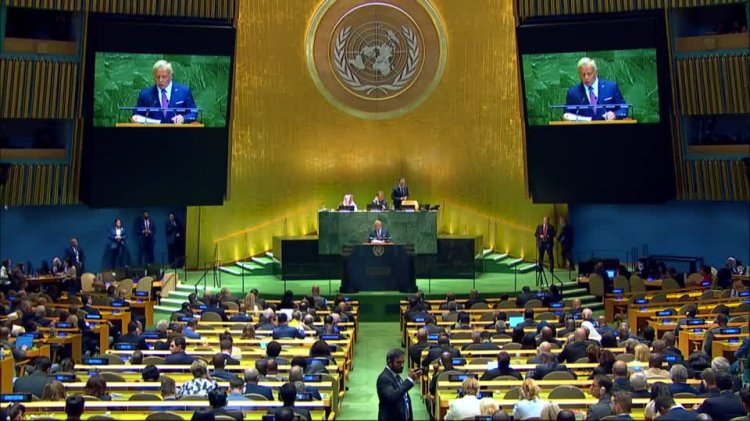
Dozens of world leaders gathered at the United Nations to endorse Palestinian statehood, marking a major diplomatic shift nearly two years into the Gaza war. French President Emmanuel Macron announced that France would recognize Palestine, a move echoed by Luxembourg, Malta, Belgium, Monaco and more than three‑quarters of UN members. Earlier this week Britain, Canada and Australia also declared recognition, while the United States and Israel boycotted the session.
Palestinian President Mahmoud Abbas, speaking via video link after being denied a U.S. visa, appealed for full UN membership and promised elections within a year of a ceasefire.
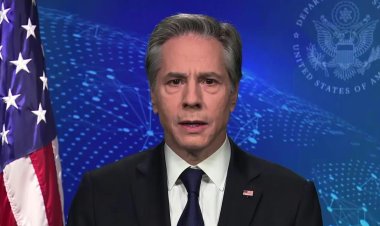
Israel’s far‑right government, led by Prime Minister Benjamin Netanyahu, rejected any Palestinian state, insisting the war against Hamas must continue until the militant group is destroyed. Israel’s UN ambassador said a response would be formulated after Netanyahu’s return. The United States warned that unilateral recognitions would create “more problems” and reiterated that statehood must arise from direct negotiations.
The UN General Assembly adopted the New York Declaration, supported by 142 countries, calling for concrete, time‑bound steps toward Palestinian statehood, condemning both Hamas’s October 2023 attacks and the civilian toll of Israel’s Gaza offensive. The resolution proposed greater authority for the Palestinian Authority and a UN‑backed stabilization mission in Gaza.
European opinions remain split. Germany and Italy, the continent’s largest economies, said they would not recognize Palestine soon, citing concerns that recognition should follow a political process and could be “counter‑productive.” Germany warned against further annexations of occupied territory, while Italy echoed the same caution. Israel has hinted at annexing parts of the West Bank and may take bilateral measures against France, though such steps risk alienating allies like the United Arab Emirates, which warned that annexation would undermine the Abraham Accords.
While the recognitions are largely symbolic and do not grant voting rights at the UN, they represent one of the most significant international moves toward Palestinian statehood in recent years. Analysts note the shift reflects growing impatience with the stalled peace process and adds diplomatic pressure on Israel and its allies, even as deep divisions and the ongoing humanitarian crisis in Gaza continue to dominate the conflict.