Blast hits mosque in Homs
Explosion during prayers kills at least eight worshippers
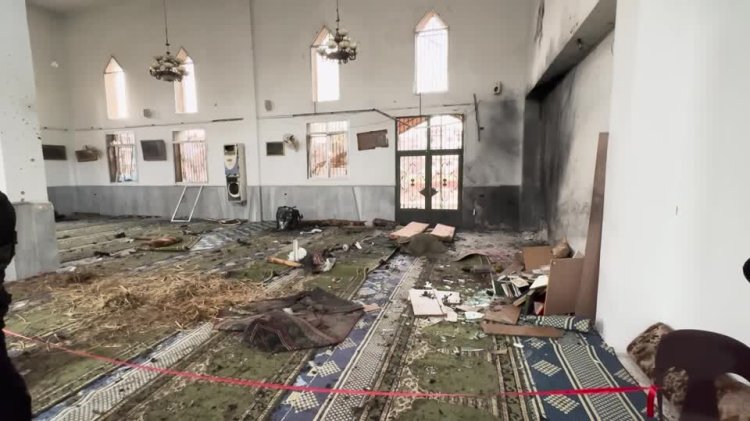
An explosion inside the Imam Ali bin Abi Talib mosque in Homs killed at least eight worshippers and wounded 18 others, with officials warning the toll could rise as rescue teams continued search and recovery. The blast struck during noon prayers when about 300 people had gathered; witnesses described a devastating fiery explosion that ripped through part of the mosque, shattered windows and scattered debris across nearby streets. Emergency responders and civil defence crews evacuated the injured and recovered victims from rubble while security forces sealed off the area.
The health ministry and regional authorities reported multiple casualties and said several wounded were in critical condition receiving treatment for shrapnel and blast injuries. Local officials and medics worked through the aftermath as hospitals and ambulances handled a surge of patients. Video and photographs shared by officials showed damaged interior and façades, scorched surfaces and scenes of chaos as firefighters doused small fires caused by the blast.
An ultra‑conservative Sunni group, Saraya Ansar al‑Sunnah, claimed responsibility on its Telegram channels; the organization had previously claimed a suicide bombing at a Damascus church in June that killed 20 people. Syrian authorities opened an investigation into the attack and the device used, while security services increased patrols and tightened protection around religious sites in Homs.
Syria’s Foreign Ministry condemned the explosion as a “terrorist crime,” and regional capitals including Saudi Arabia, Lebanon and Qatar issued denunciations. Local religious leaders and community figures called for calm and unity, urging residents not to let the attack inflame sectarian tensions.
The assault has revived fears of sectarian violence targeting the Alawite minority, to which former leader Bashar al‑Assad belongs, amid wider instability and the presence of multiple armed actors across Syria. Officials noted the attack risks deepening divisions and complicating fragile security in areas still recovering from years of conflict.
Authorities cautioned that casualty figures remained provisional as recovery and forensic examinations continued. Investigators were collecting evidence at the mosque site and interviewing witnesses to establish the origin and nature of the explosive device. As families mourned the dead and hospitals treated the injured, community leaders prepared funerals and appealed for restraint while security forces worked to prevent further attacks on civilian and religious sites.