Kolkata trams face uncertain future
India’s last tram network risks shutdown amid congestion and costs
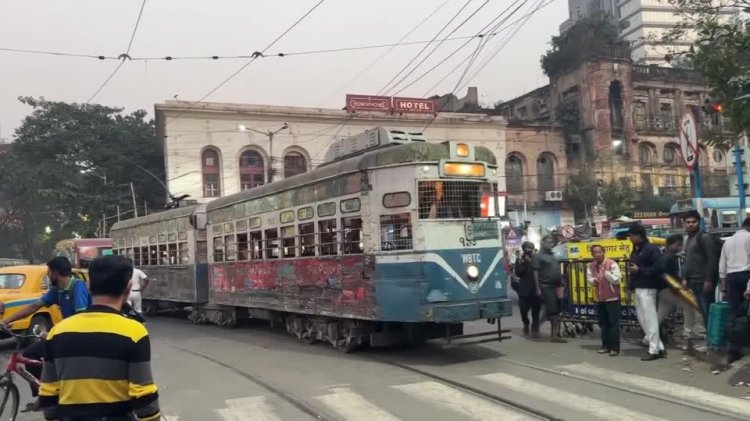
Kolkata’s historic tram network, Asia’s oldest and India’s last, faces an uncertain future as authorities move to decommission most services amid growing traffic pressures and financial strain. State transport officials cited worsening congestion and costly upkeep of aging infrastructure when announcing plans to wind down the system; officials have proposed keeping a short heritage route, but that has done little to assuage opponents. Once comprising dozens of routes and hundreds of vehicles, the network has been steadily reduced over decades to just two operating lines today, with only the Gariahat depot remaining active.
Heritage groups, residents and the Calcutta Tram Users Association (CTUA) have launched legal and public campaigns to save the trams, arguing they are both culturally significant and environmentally beneficial. CTUA and supporters say trams are an electric, low-emission transport mode well suited to dense urban corridors and that modernizing, rather than scrapping, the system could offer a cleaner alternative to diesel buses and private vehicles. Activists point to global examples of cities investing in or expanding tram systems as part of urban revitalization and warn that dismantling Kolkata’s network would be a lost opportunity for sustainable transport.
Workers and long-time staff describe a steady decline: conductors recall hundreds of trams running in earlier decades versus only a handful now, and many express concern for job security if services cease. Riders who favor the slow, low-cost journeys—fares remain cheaper than buses—say the trams carry civic memory and a sense of identity, not just passengers.
State authorities counter that chronic financial losses, frequent breakdowns, high maintenance costs for vintage rolling stock and conflicts with motor traffic undermine the system’s viability. Trams’ slow speeds in congested streets have made them less attractive to time-pressed commuters, officials say, complicating efforts to justify costly upgrades.
The dispute is now before the Calcutta High Court, which has formed an advisory committee to examine options for restoring and maintaining services. With litigation and public campaigns ongoing, the trams continue to run for the moment, but whether they will be phased out, preserved as heritage lines, or modernized and integrated into a broader sustainable transport plan remains unresolved. The decision will determine whether India’s last surviving tram network endures as a living transport system or becomes a relic of the past.