Bulgarians rally for justice and votes
Protests press reforms as euro entry nears
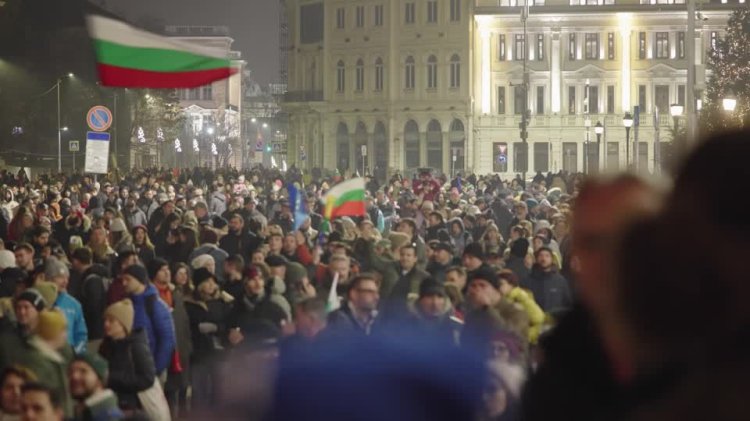
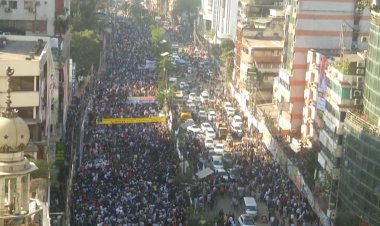
Thousands rallied across Bulgaria demanding fair elections, judicial reform and action on entrenched corruption as the country approaches its euro adoption. Protests in Sofia and other cities brought citizens, civil society groups and opposition supporters together, waving Bulgarian and EU flags and holding banners reading “This is not a farce” and “We are not bluffing.” Organisers framed the demonstrations as a response to perceived political capture of the justice system, repeated scandals involving politicians, prosecutors and business figures, and stalled or diluted reform efforts that they say have eroded public trust.
The demonstrations followed the resignation of Prime Minister Rosen Zhelyazkov’s government after weeks of street pressure over corruption allegations and a contested budget proposal. President Rumen Radev is engaged in talks with parties to form a new administration; if those talks fail, he is expected to appoint an interim cabinet and call snap elections. Protesters pressed for constitutional and institutional changes to increase oversight of the prosecutor general, strengthen checks and balances, ensure independent anti-corruption bodies, and speed transparent prosecutions.
Speakers and marchers focused on the justice system’s politicisation and called for measures to prevent prolonged, unpunished corruption cases. Civil society leaders warned that without meaningful reform, Bulgaria risks continued political instability, diminished investor confidence and further erosion of democratic norms—concerns echoed in Brussels as the EU continues to scrutinise the country’s rule-of-law record. Government officials said they respect the right to protest and pointed to pending legislative proposals to tackle corruption, but critics noted a pattern of unfulfilled promises and limited progress.
Despite anger and large turnouts, the protests remained largely peaceful, with organisers vowing ongoing civic action to sustain pressure for change. The demonstrations underscore persistent public frustration after seven national ballots in four years and signal continued political volatility as Bulgaria transitions to the euro and faces scrutiny from European partners over judicial independence and governance.